Basically, all of the links on this page are affiliate links. I receive a commission (at no extra cost to you) if you make a purchase after clicking one of the affiliate links below. Read our Affiliate Link Policy for more information.
 iFlightMach R5 Ultra Trainer
 BCROWFPVPro V7
 FPV Supply CoKronos Alpha
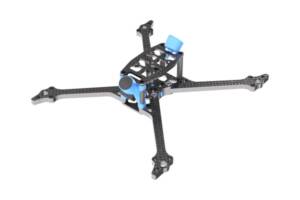 DinDronesOZR-5X
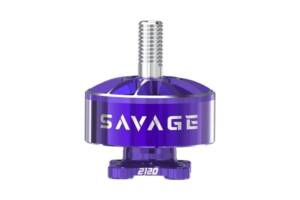 VCI Hobby Yuki Savage 2207 2120KV
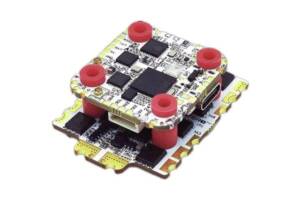 HDZero Halo 70A AM32 ESC / Halo Stack
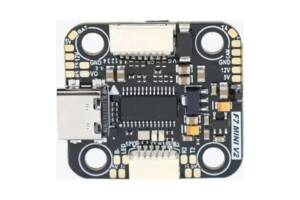 T-Hobby F7 Mini V2
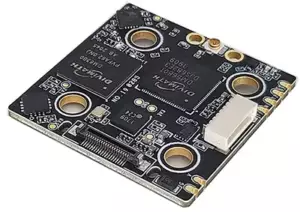 HDZero Race v3 vTX
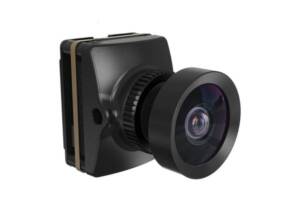 HDZero Nano 90 V2 Camera
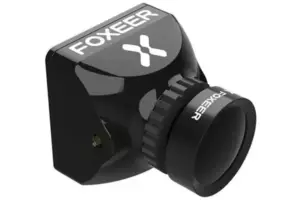 Foxeer Predator Micro
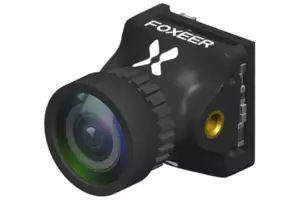 Foxeer Predator Nano V5
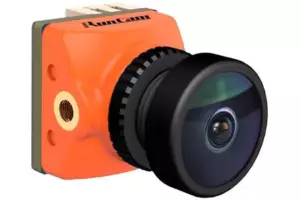 RunCam Racer Nano 2 (for 533)
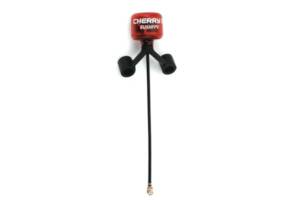 Rush Cherry II Y-Type U.FL Antenna
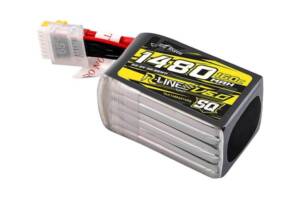 Tattu R-Line V6 6S 160C
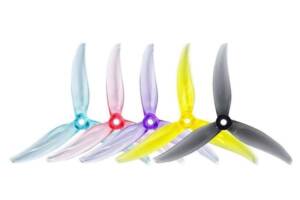 Gemfan 5129.2 MinJae / 5129 Yuki
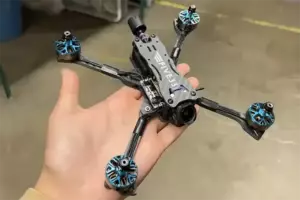 FIVE33Switchback DJI O3
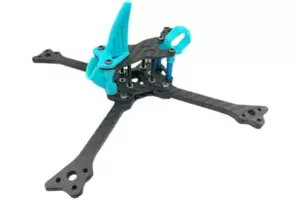 FIVE33 Switchback Pro
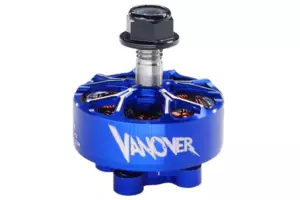 Hypetrain Vanover V2 2207.5 2021 KV
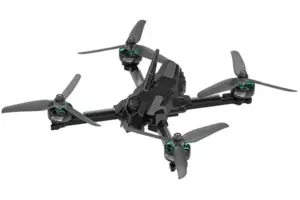 iFlightMach R5 Sport
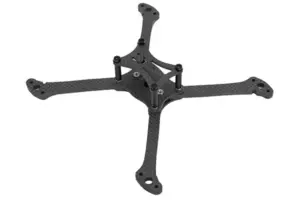 MCK / HyperKronos
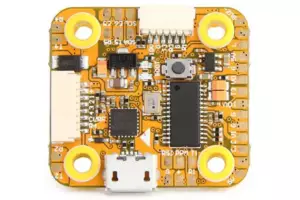 T-Motor Mini F7 HD FC / T-Motor 60A 8S ESC
In the past, we based this page on the annual MultiGP pilot survey. The survey was the work of Shawn Ames, MultiGP Chief Operating Officer. It cataloged the equipment used by pilots entering the MultiGP Nationals each year. But Sean hasn’t published a survey since 2023. So now we look at what the top ten pilots at the most recent MultiGP Championship actually fly. Keep in mind that top pilots are sponsored, so some of what they fly is their sponsors’ gear. That’s why we pay the most attention to parts that show up across several pilots with different sponsors. Additional insight on the original list was provided by Ivan Effimov (Limon). Ivan is a Betaflight developer, talented and passionate drone racer, and entertaining and educational YouTube Creator.
Of course, there are also parts on this page that aren’t tied directly to a championship racing pilot. After all, that stuff is expensive!
You should know that most FPV drone racers don’t buy BnF or RTF quads; they build their own. Yes, racers have very specific requirements for their quads that can only be met by a custom build. But that’s not the real reason they skip pre-built quads. The real reason is that racers crash and break their quads so often that they’re constantly building and repairing. Since you’re going to have to rebuild the dang thing so often, you might as well just build it yourself the first time.
We still feel obligated to put some BnF and RTF options on this page. But we also feel obligated to tell you that few racers actually use them. Especially as a beginner, the most important thing is that you have something to take to the race, no matter what it is.
FIVE33
LightSwitch RTF

If you’re going to buy a RTF racing drone, who better to buy it from than one of the fastest, most winning-est drone racers ever: Evan Turner. His company, Five33, makes some of the most popular motors and frames used in 5” FPV racing today. This RTF build is hand-built to Evan’s personal specifications and test-flown by him before shipping. It’s essentially the same quad that Evan himself would fly at a race, built by the same team that builds his personal race drones. And yes, you’ll pay a premium for that pedigree.
This build can be ordered with either the V2 LightSwitch frame or the LightSwitch Ultra frame. The Ultra frame comes in under 50 grams. The main way it saves this weight is by using 5mm arms instead of the 6mm arms on the V2 Lightswitch. So you’ll break slightly more arms in crashes, but you’ll potentially be a little faster around the track.
Five33 -
HD Zero V2 / HD Zero V2 Ultra
iFlight
Mach R5 Ultra Trainer
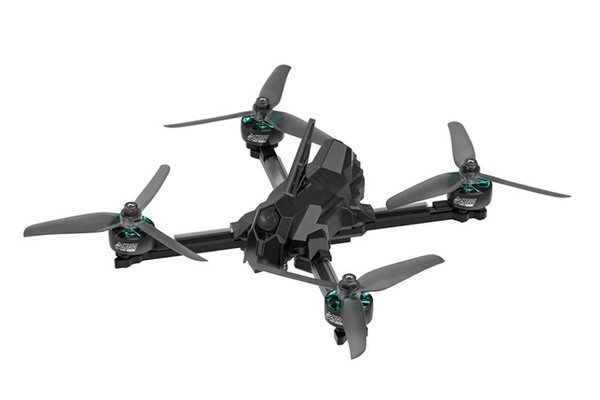
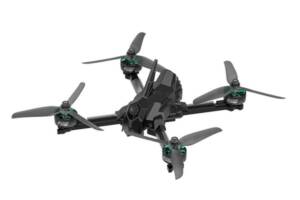
The Mach R5 Ultra Trainer is the newest version of iFlight’s bind-n-fly race quad. It replaces the Mach R5 Sport. The frame is smaller (190mm instead of 210mm) and lighter. It keeps the aluminum center plate, which adds stiffness and strength. The 5mm arms are separate pieces, so a broken arm is a quick swap.
The motors are 2207 2100 kv on 6S. That’s no joke! You might need a motor output limit to get some control back while you learn the track. There’s no shame in not being able to handle this much power!
It comes in two versions. The analog version has a 200 mW vTX. That’s less than a freestyle pilot would want, but racers typically run at 25 mW to limit interference. The HDZero version comes with a Race V3 vTX and a Nano 90 camera — the same pair the top MultiGP racers fly. It costs over $100 more. Be sure to buy the one that matches your goggles!
Like we said above, most racers build their own. If you want a ready-made race quad, the Five33 LightSwitch RTF is the premium choice, built to Evan Turner’s own spec. The Ultra Trainer is the one we’d look at if you want to spend significantly less, especially on HDZero.
BCROWFPV
Pro V7
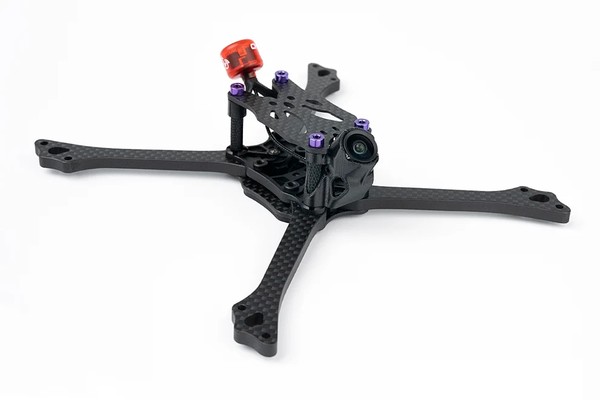
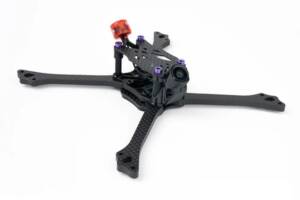
The BCROWFPV Pro V7 won the 2026 MultiGP Championship. MCK flew it to first place. Killian Rousseau took second on one, and Yuki Hashimoto fourth. (All three are sponsored by BCROW, for what it’s worth.)
It’s a 188mm frame for 5.1″ props, at 49 grams without the printed parts. That puts it right in the class of the LightSwitch V2 Ultra and the Kronos. The arms are 5mm T800 carbon. The center plate and standoffs are aluminum, and it takes a 20×20 stack.
There are three versions, one for each nano camera: HDZero, RunCam and Foxeer. Be sure to buy the one that matches your camera!
If you want the frame the fastest pilots in the world are flying right now, this is it. If you’re new to building, the LightSwitch V2 is a little roomier and easier to fit hardware into.
FPVStoreRC
FIVE33
LightSwitch V2

This might be the easiest racing frame to recommend to beginners. It’s well adopted and loved by racers, with 12% of competitive MultiGP racers using it in 2023. That number was higher in 2022, but many of the top-tier racers moved to even lighter frames like the LightSwitch Ultra and the Kronos. But here’s the thing: beginners don’t need to save those 20-ish grams of weight. They’d rather have the increased durability and easier-build of a larger, heavier frame.
Don’t think you’re giving up on performance and capabilities though. The LightSwitch V2 has 6mm T700 carbon arm and vertical carbon stiffeners for the body that provide clean gyro data so you can PID tune the quad within an inch of its life if you want.
RaceDayQuads
Five33 -
Lite / Long
FIVE33
LightSwitch V2 Ultra

This is a “PRO” version of Lightswitch V2. The main thing it does is use thinner 5mm arms to save weight. It comes in under the “magic” 50-gram number that racers are shooting for today and still fits all 20×20 stacks, even the big ones like Foxeer Slim ESC.
Compared to previous-generation frames like the Switchback Pro, the LightSwitch Ultra saves about 20 grams. Lighter weight in general means faster accelerations and tighter turns. The big question is: are you a good enough pilot to take advantage of it?
The LightSwitch Ultra is used by 15% of competitive MultiGP racers as of 2023.
Five33
FPV Supply Co
Kronos Alpha
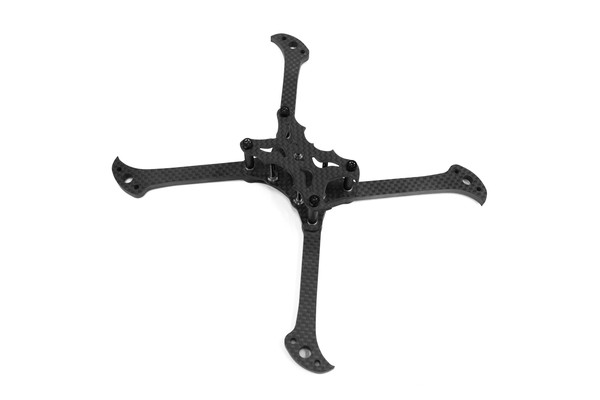
The Kronos Alpha is the second version of the Kronos. JBOX flew one to win the 2025 MultiGP Championship.
It goes straight at the Kronos’s biggest problem — how hard it is to build. The body is a little longer, so more ESCs fit between the standoffs. The long HDZero Race V3 vTX is easier to mount, too.
A new bridge piece braces the two side plates. FPV Supply Co says that makes the frame stiffer and the blackbox logs quieter, so you can run less filtering. It weighs 52 grams, just two more than the original.
The arms and 3D-printed parts swap with the original Kronos. So if you already fly one, your spares still work.
If you wanted a Kronos but the tight build scared you off, this is the one we’d look at. If you’re new to building racers, the LightSwitch V2 is still the easier frame to start on.
FPV Supply Co
FIVE33
OpenRacer

The OpenRacer was designed with a strong focus on durability. Its designer, Limon (yes, the Betaflight developer), does a lot of racing at urban locations like parking lots and car parks, which absolutely decimate racing drones. The OpenRacer is heavier than its competitors — 80-100 grams instead of 50-70 grams. But this weight translates into survivability when you’re smashing into stop signs and curbs.
The OpenRacer is designed to be relatively easy to build. It fits most 30mm and 20mm stacks, although ultra-long ESC’s like the Foxeer Slim are not recommended. It has canopies for analog camera, HDZero, DJI O3, and DJI Vista. It’s even open-source, so you can download files and cut and print your own parts if you want.
That weight cuts both ways, though. Some have reported that the OpenRacer is harder on motors than lighter frames, and that it carries more weight than its durability is worth. If you mostly race on a normal course, a lighter frame like the LightSwitch V2 or the Bcrow V7 makes more sense. If you race in parking lots and bandos, the OpenRacer is built for exactly that.
Five33
TBS Source Two

The Source Two is one of the best values in FPV frames. It’s community-designed and all the CAD files are open source and available for anyone to manufacture. As a result, the Source Two is one of the least expensive frames you can get, and available nearly everywhere. (You could even cut it yourself if you have a CNC machine!).
Every time we revise this page, we think about removing the Source Two. The design is heavy compared to modern designs and there are many outdated design choices. But it’s freaking $25 in the USA and $16 if you order it direct from TBS. Like. How can you argue with that. Although this frame isn’t going to impress anybody, there’s nothing really wrong with it, and that’s enough to keep it on the list.
GetFPV
Amazon
Team BlackSheep
DinDrones
OZR-5X
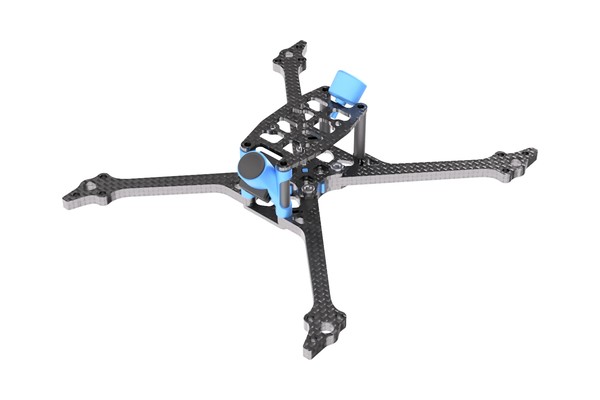
The OZR-5X is a 5″ racing frame from DinDrones. It was designed by a race engineer from the Red Bull Air Race. And it’s light — DinDrones lists it at about 46 grams. That’s lighter than the LightSwitch V2 Ultra or the Kronos.
Its other trick is where the arms meet the body. They sit in a box with a TPU damper in the middle, which DinDrones says kills arm wobble and frame noise. There’s even an OZR-5X preset in Betaflight’s Presets tab. So you should need little or no tuning.
There’s room for long ESCs between the standoffs, and the box comes with a fifth arm as a spare. Let’s face it, you’re going to need that!
None of the top MultiGP pilots fly it, as far as we know. We’re listing it because you asked us to, and on paper it’s the lightest frame on this page. If you want the lightest frame here and a tune you can load from a preset, look at the OZR-5X. If you want what the champions fly, look at the BCROW Pro V7 or the Kronos.
NewBeeDrone
DinDrones
The five-inch racing world seems to have mostly settled on 2207 as the ideal motor size. It seems to be the smallest, lightest motor that gives enough torque for excellent handling and enough power for great acceleration and top end speed. The main question left when choosing a motor is the best kv. The kv means the rpms-per-volt that the motor will try to make. A higher kv motor will spin faster and usually make more power, but will be harder on the battery.
Choosing a motor kv is mostly about balancing speed vs. efficiency (flight time). But higher kv motors aren’t necessarily faster for every pilot. Beginners, especially, may find higher kv motors harder to control. For those running 6S batteries, a motor from about 1600 kv to 1750 kv is relatively sedate; a motor from about 1750 kv to 1900 kv is powerful, but still reasonable; and a motor from about 1900 to 2200 kv is probably only recommended for really skilled pilots. (You can effectively scale down a motor’s kv by using the throttle scale parameter in Betaflight’s Rate Profile tab.)
What about the 6S vs 4S argument? In racing, very few people still run 4S. So almost all of the racing motors made come in 6S kv’s only. But I’ve included at least one motor here that comes in around 2400 kv, which is suitable for use with 4S batteries.
VCI Hobby Yuki Savage 2207 2120KV
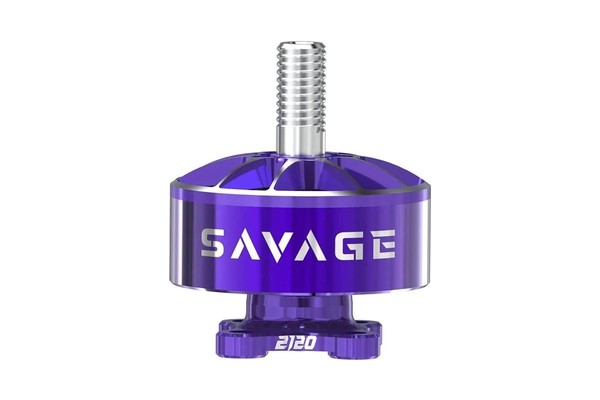
The Savage is Yuki Hashimoto’s signature motor, made by VCI Hobby. VCI motors were on most of the top MultiGP setups we could find this year. And Joaquin “JBOX” Ybanez won the 2025 MultiGP Championship on this exact motor.
It’s a 2207 at 2120 kv, and it weighs 31 grams with wires. That’s near the top of the 6S kv range in our intro above. That means it’s a motor for really skilled pilots who can handle the speed. But like the Champs Edition, you can always dial it down in Betaflight if you need some breathing room.
Check the name when you order. VCI sells several 2207 race motors with similar kv’s, including a different “Yuki Edition” in its Spark line. This one says SAVAGE on the bell.
If you want what the fastest pilots are running right now, this is it. If you want something a little more forgiving, the Five33 1960 kv is a fine choice — and has been a prize-winning motor in prior years.
RaceDayQuads
GetFPV
FIVE33
2207 1960 KV

These are the motors designed and used by Evan Turner (HeadsUpFPV), one of the fastest and winning-est pilots in the world. They’re durable, responsive, not too heavy, and not the most expensive either. Frankly, the 533 motors should probably be most people’s “safe” choice just because of their popularity. 20% of pilots at MultiGP Nationals used them in 2023. An additional bonus is that these motors are approved for use in Freedom Spec spec-class racing.
The links above are to standard motors, with bare wires. Five33 also sells the motors with pre-installed MT30 plugs. This allows for faster, no-solder motor changes in the field. This option adds a tiny bit of weight and isn’t for everybody.
Five33
RaceDayQuads
FIVE33
2207 Champs Edition

Let’s be honest. Most people would get better lap times if they used a throttle cap to give them more control. Most people aren’t spending a lot of their time at full throttle, and if they do, they crash more often than they finish.
But if you’re one of those crazy fast robots who think the 1960kv version of the 533 motor isn’t fast enough, then the Champs Edition is for you. It’s rated at 2070kv.
We can think of one argument for “normal” people buying this motor. You can always dial down the rpm of a motor using the motor output limit in Betaflight’s PID Profile tab. But you can’t dial it up. Let’s say you wanted a high kv motor for wide open tracks with long straights, but you also wanted a lower kv motor for tight tracks with lots of turns. The Champs Edition could fit both of those bills just by changing a setting in the flight controller.
Five33
RaceDayQuads
RCinPower GTS V4 MCK 2207 2100KV

I’m sitting here writing the descriptive text for these motors, and I realized that basically what I did was, find the fastest three pilots around, and then pick their signature motors to include on the list. I guess there are worse ways to go about it. The MinChan Kim is 2207 in size and 2100 kv. In theory, 2100 kv is a 5S motor, but MinChan flies it on 6S because he’s just that ridiculously fast. Regular humans would probably do best to use a throttle scale to bring the power down to manageable levels.
One more thing about this motor: it’s made by RCInPower, which consistently comes out at the top of Chris Rosser’s motor testing for power, torque, and efficiency. Good choice!
GetFPV
RaceDayQuads
Emax Eco II 2207 1700 / 1900 / 2400 KV

There’s an argument that beginners are better off buying cheap motors. Sure, expensive motors are better, but beginners don’t fly hard enough to really notice. And beginners crash and replace broken motors a lot more often. So they DO benefit from the lower price of cheaper motors.
Introducing the Emax Eco. These are low-mid-tier motors at a budget motor price. They’re not going to give the same power and durability as high-end racing motors, but they’re going to be a lot cheaper to replace when you smash them. At the time of this writing, this motor sells for around $14 to $16, when top-tier motors are going for $24-$27. That’s a big difference!
The main reason you would avoid the Emax Eco would be if you are trying to reproduce your favorite pilot’s exact racing build. If you build a Switchback Pro, like I did, but you put Emax motors on it, then you won’t be able to use Evan’s PID tune, and you won’t know for sure that your quad is flying exactly as good as his. And that might be worth a little bit of a premium to you.
Racing purists are going to be annoyed that the Emax Eco is on this page. This isn’t the motor for them. This is the motor for “normal people” who want a solid motor at a reasonable price. P.S. The 2400 kv version of this motor is for 4S batteries only. Don’t try to run it on 6S. And anyway, why is a racer running 4S?
GetFPV
RaceDayQuads
NewBeeDrone
Amazon
Emax
The flight controller (FC) is the brain of the quadcopter. It receives your commands from the receiver and translates that into motor outputs that make the quadcopter fly. The electronic speed controller (ESC) takes the motor signals from the FC and does the actual work of making the motors spin.
For racing, ESC selection is most important. A racing-focused ESC has to be durable because racing drones crash a lot. At high speed. The recommendations on this page have all been vetted by actual pilots flying (and crashing) actual racing drones at the highest level.
Another concern is that the ESC fits inside the frame. Some racing frames are so compact that larger ESC’s literally don’t fit. The frames and ESC’s on this page should all work together.
Racing flight controllers also need to be durable, but they don’t take quite as much abuse as the ESC, so this is a little less of a concern. The simplest thing to do is to pick the same brand of FC as your ESC. This ensures that they can wire together without any annoying re-pinning of the cable that goes between them. Another concern is, if you use a digital video system like HDZero, that the FC has a plug to let the digital video transmitter plug directly into it without soldering.
HDZero Halo 70A AM32 ESC / Halo Stack
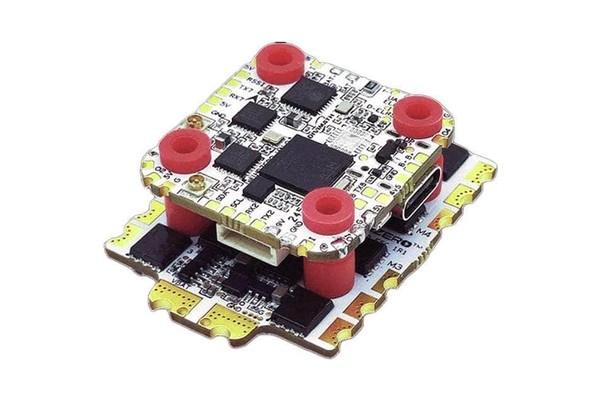
HDZero’s 20×20 4-in-1 ESC is rated 70A continuous per motor and 100A burst, on 3S to 8S. The pilot who took second at the 2026 MultiGP Championship raced it, and the 2025 champion flew the whole Halo stack. The power stage sits on its own board, apart from the processor, with a copper bus bar and a conformal coat, increasing reliability. Buy the AM32 version. Stores also sell it with BLHeli_32, but BLHeli_32 is discontinued — you can’t flash it, and configuring it can be a hassle.
The Halo Stack adds HDZero’s H743 flight controller, with an ELRS receiver built in. The HDZero Race V3 vTX plugs in and stacks right on top, no soldering, and you can switch the vTX power off from Betaflight. It has no analog OSD, so it’s for digital builds only. The assumption is that you’re running HDZero video.
If you race HDZero, the Halo Stack is the simplest build in this section. If you fly analog, pair the Halo ESC with another FC here, or get the Hobbywing stack.
RaceDayQuads -
ESC / Stack
GetFPV -
ESC / Stack
NewBeeDrone -
ESC / Stack
Five33
HDZero (US) -
ESC / Stack
Hobbywing & XRotor Stack

The Hobbywing XRotor Stack has become the standard for open-class FPV racing. Hobbywing has long been known for their excellent ESC’s. The 20mm FC comes with a plug that makes installation of the HDZero video transmitter easy. The FC has a dedicated 12v voltage regulator, which is nice if you’ve got an older video transmitter that doesn’t work from 5v. After the installation of the receiver and digital vTX, the FC will have one spare UART available if you want to add a GPS or some other type of accessory. It also has a vTX kill-switch to power down your analog vTX during team racing or when working on the quad in the pits.
The Hobbywing stack can be purchased with either a 40A or a 45A ESC. The 40A ESC is a lot cheaper, while the 45A is more durable, but a lot pricier. Most racers today run the 40A. Also, don’t let the fact that the Hobbywing is “only” rated for 40A throw you off. Real-world results speak for themselves, and show that this ESC is more than up to the abuse of top-level racing.
GetFPV
HobbyWing Direct
RaceDayQuads
Foxeer F722 V4 & V4 Pro Mini FC / Foxeer Reaper F4 45A/60A Mini ESC

This is the FC if you want something inexpensive that will get the job done. What’s it give up to get the price down? It’s only got four UARTs instead of five; it’s only got a 5v regulator, so your vTX needs to run on 5v if you want the cleanest power to your video transmitter, and it doesn’t have a plug for a digital video transmitter (but you can still direct-solder if you prefer). I have literally talked to racing pilots who reject this FC because they don’t want to solder a vTX to all ten of their racing builds. I don’t judge.
This FC comes in two versions: a standard and pro version. The difference is the pro version has a “real-pit” function that can completely power down the vTX when you’re not using it. The pro version also has more solder pads, but as a tradeoff, it hangs out past the standoffs slightly compared to the standard version.
I recommend pairing this FC with the Foxeer Reaper ESC. The Reaper has been tested and proven by racers since it was released, and it’s extremely durable, especially for its price. The 45 amp version of the Reaper is good, but for modern high-kv 6S builds, the 60A ESC will be more durable.
The 60A Reaper comes in two form factors: square and slim. The Square is shorter front-to-back so it’ll fit between the standoffs of tight frames, but it is wider, so it hangs out a little more over the sides of the frames. The Slim is thinner side-to-side but a little longer front-to-back, which means it won’t fit between the standoffs of some frames, and even if it does fit, there’s an increased chance of damage if you bend a standoff. The square seems to be out of stock a lot of places, so you may need to get the slim if you want this ESC.
RaceDayQuads -
V4 FC / ESC
GetFPV -
V4 FC / V4 PRO FC / ESC
NewBeeDrone -
V4 FC
Five33 -
V4 FC / ESC
Aikon F7 FC & Aikon Pro ESC (DJI Ready) / 20mm FC & ESC

Aikon has made some of the strongest, most durable ESC’s on the market for years. It’s no surprise that their 20mm Aikon Pro ESC is one of the few that can stand up to the abuse of FPV racing. The Aikon flight controller has an F7 processor with plenty of UARTs for peripherals. It’s got a built-in 10v regulator to power DJI (if you choose to race on DJI, this is your pick) or your analog vTX. It’s even got a built-in pit switch to let you power down your vTX with an aux switch. The main downside of this FC is that the solder pads are very small, but that’s sort of true for all 20mm FC so maybe it doesn’t matter.
Redux32 F4 Nano 50A V2 20X20 ESC

Unlike the other entries, this one is going to start with the ESC, not the FC. Redux Air makes what might be the toughest, highest-performance 20mm ESC available today. It uses the same larger, higher-rated FETs used on 30mm ESC’s. And somehow, they managed to shrink it down from its predecessor so it’s about the same size as other 20mm ESC! In my opinion, this is one of the best 20mm ESC’s you can buy today. If you can find it in stock.
This ESC can be paired with almost any FC, but you will probably have to re-arrange the order of the wires in the harness connecting them together.
ReduxAir
T-Hobby F7 Mini V2
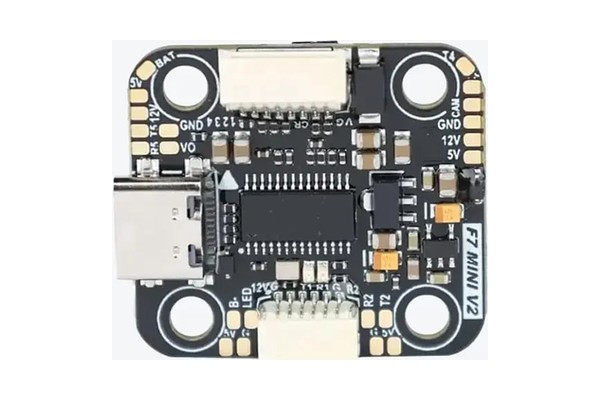
A 20×20 F7 flight controller from T-Hobby, T-Motor’s hobby brand. Minchan Kim, who won the 2026 MultiGP Championship, flies it. It runs 3S to 8S and has an ICM-42688P gyro, five UARTs, a 16MB blackbox and USB-C. There are two regulators, 5V and 12V. The 12V one will power an HD vTX, or an older analog vTX that won’t run from 5V.
What it doesn’t have is pit mode. There’s no way to cut the vTX power from the FC, which the Aikon F7 and the Hobbywing FC both do. That matters at team races and in the pits, but not everyone considers it essential. We raced for a long time without this capability! It’s sold as the FC only, so you’ll have to pair it with an ESC from this section and re-pin the harness.
To be honest, we’re mostly including this because MCK won with it. As FC go, there’s nothing particularly special about it, and it’s missing at least one feature we really like. If you want what the champion flies, this is it. If you want a vTX power switch and a matching ESC, get the Aikon or the Hobbywing stack instead.
T-Hobby
Every FPV drone has a camera and a video transmitter to send the camera’s picture to the pilot. For racing, there are really only two choices: HDZero or analog.
HDZero is the king of racing right now. Every one of the top ten pilots at the 2026 MultiGP Championship who published their setup flies HDZero — the Race V3 vTX and the Nano 90 camera. Why? Latency. With the Nano 90 in its 90 fps mode, HDZero’s latency is ultra-low and it never changes. And when the signal gets weak, the picture breaks up a little at a time, like analog, instead of freezing or stuttering. You get way better image quality than analog with no latency penalty.
HDZero also fits right in at races. It works with the frequencies and timing systems that analog pilots use, so nobody at the flight line has to do anything special.
Not to say that people don’t race analog — they do! If you already fly analog goggles, the three analog cameras below are our picks for racing. You’ll find our analog vTX picks HERE. And if you’re flying DJI or Walksnail for other things, see our HD page — but neither one is common at races.
Still not sure which is best for you? Here’s a video to help you decide:
HDZero Race v3 vTX
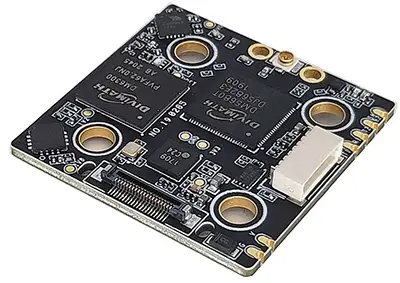
This is the video transmitter that HDZero pilots should buy for racing drones. It’s thin and light enough to easily fit on a 3″ or 5″ racing drone. And it’s optimized to be as durable as possible (chonky 1.6mm PCB), because everybody knows racers crash a lot. Most importantly, it works with the Nano 90 camera, which supports HDZero’s 540p@90fps mode, for ultra-low 4 ms latency. And that’s basically THE reason why racers choose HDZero. Because it gives way bettter image quality than analog with no latency penalty like DJI or Walksnail.
The Race v3 vTX takes 1S to 3S input voltage. It outputs 25 mW or 200 mW. Racers typically run at 25 mW so this isn’t an issue, but this woudn’t be a good vTX for general cruising, freestyle, or fun-flying, if you could possibly fit the Freestyle vTX with its 1W output power.
Strangely, the HDZero Race vTX is the only HDZero vTX that isn’t sold in a vTX+camera kit. So you’ll need to buy the camera separately. And let me be clear: it should be the Nano 90 camera! (Although this vTX will work with any HDZero camera with a MIPI interface.)

HDZero (US)
GetFPV
RaceDayQuads
NewBeeDrone
HDZero (Intl)
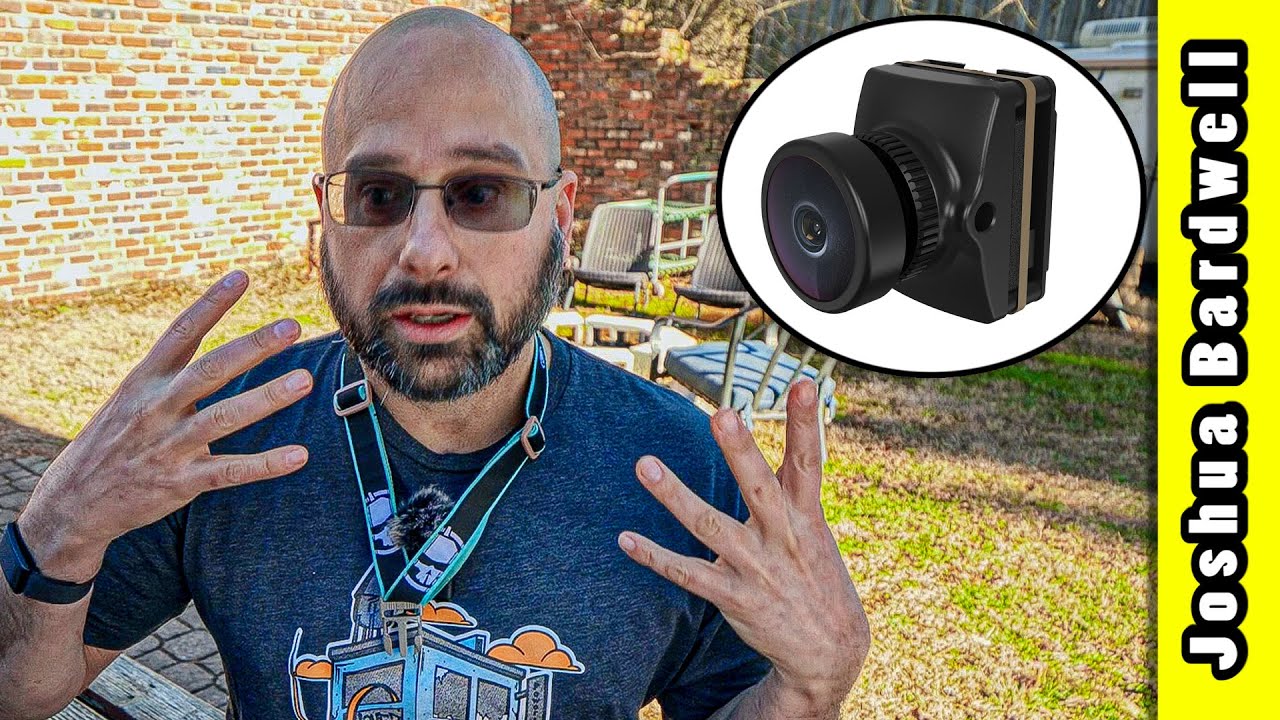
HDZero Nano 90 V2 Camera
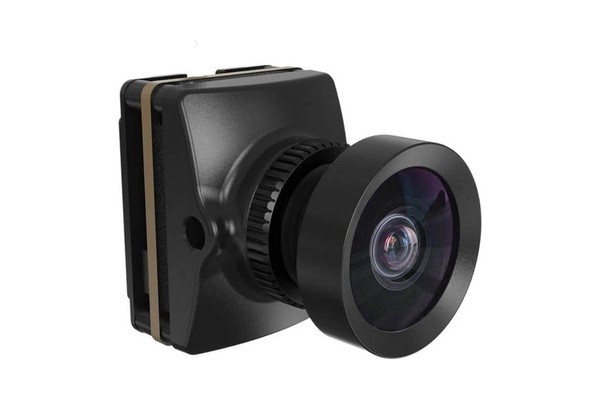
The Nano 90 is the camera that unlocks HDZero’s 540p at 90 fps mode. Plenty of digital systems do high frame rates. But HDZero is the only one that gives you a high frame rate AND ultra-low, consistent latency at the same time.
And that combination is a total game changer. The first time I flew it, I was literally speechless. I felt more precise and more in control than on any video link I’d ever flown — analog and DJI included. I could dive into gaps I’d normally bail out of, and make last-second corrections that just worked.
The tradeoff is resolution. At 540p, branches and fine detail are noticeably softer than at 720p. I’d put it on par with analog or better, just not with a really high-TVL analog camera. But that doesn’t matter for racing, and when you’d rather have detail, switch to 720p60. There’s also a 540p60 mode that trades frame rate for better range and penetration.
V2 is the same camera with a new, slightly wider lens.
The Race v3 vTX doesn’t come with a camera. If you’re racing HDZero, this is the one to buy with it.
RaceDayQuads
GetFPV
NewBeeDrone
Five33
HDZero (US)
HDZero (Intl)
Foxeer Predator Micro
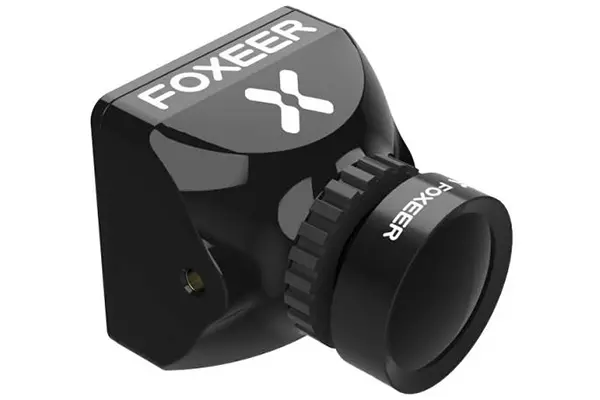
I have no idea how Foxeer pulled this off, but nearly every racing pilot uses this camera. I don’t just mean top pros, who you might suspect were sponsored. It’s just… you go to a race and ask people what camera they’re running, and it’s always the Predator Micro. It’s got high resolution, low latency, wide field of view, and isn’t too expensive. What’s not to love?
GetFPV
NewBeeDrone
Foxeer Predator Nano V5
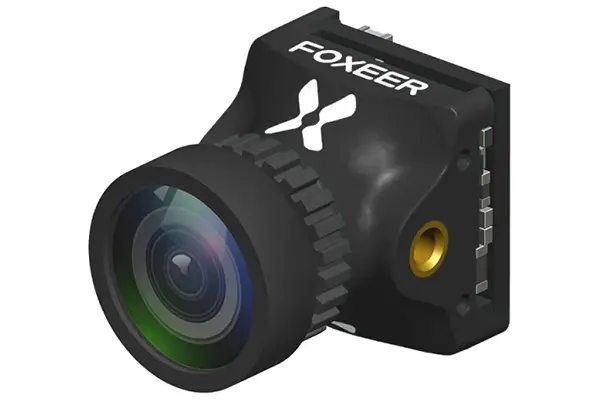
If you’re building a frame like the 533 Switchback, which is sized for a nano camera, then pick the Predator Nano instead of the Predator Micro. This camera is available in “pad version” with direct-solder pads or “plug version” for the more typical plug. The pad version makes for the most compact and lightest build.
V5 of this camera adds excellent wide-dynamic-range (WDR) with low 4 ms latency. 533 recommends mounting this camera upside down so that the plug is pushed forward and less likely to break. 533 ships their version of this camera with the image flipped for upside-down mounting, and most on-screen elements turned off. You can do this manually in the camera menu for any other stores.
GetFPV -
Standard / 533 Edition
Five33 -
533 Edition
RunCam Racer Nano 2 (for 533)
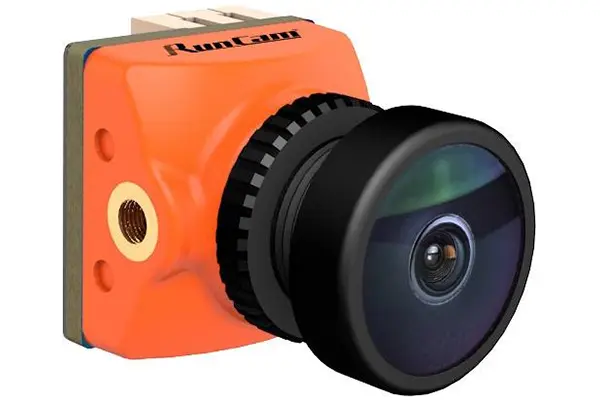
The Runcam Racer Nano was Evan Turner’s original choice for his Switchback Pro build. And based on that, I put it on my Switchback Pro build too. But truthfully, I never was that impressed with the Racer Nano’s exposure handling. Its image looks ok, but when going from dark to light areas, it changes exposure in a distracting way that makes it hard to see where you’re going. So imagine my chagrin when I found out that Evan had switched to the Predator Nano! So why is the Racer Nano even on this list? Because despite its deficits, it’s still perfectly usable, and sometimes the Predator might be out of stock.
RaceDayQuads
GetFPV
Rush Cherry II Y-Type U.FL Antenna
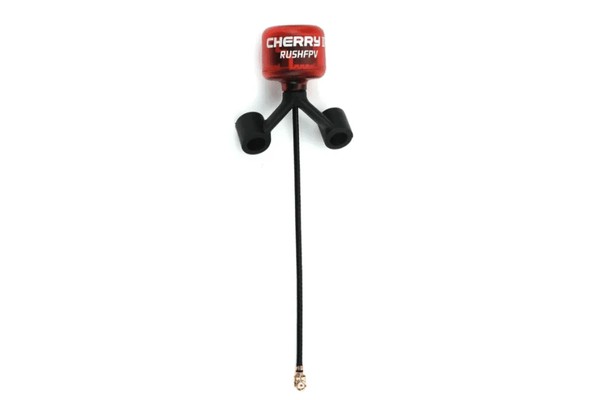
The Cherry II Y-Type is the Cherry II with a mount built in. The antenna is the same as the plain Cherry II in the omni antennas section. The difference is a Y-shaped bracket under the head. It clips over two standoffs at the back of the frame. That holds the antenna up and centered, at a fixed angle. No zip ties, no printed mount.
It has a U.FL plug, so it goes straight onto a race vTX. And it’s the antenna MCK lists on his race quad — he won the 2026 MultiGP Championship.
Check your frame before you buy. The bracket only works if your rear standoffs are about the same width as the antenna’s bracket. If they aren’t, the TrueRC Core is the easier antenna to mount. Or get the plain Cherry II and a printed mount.
Match the polarization to your goggles. Most FPV pilots use RH.
Amazon
The batteries selected for 5” racing are all 6S. Can you race on 4S? Sure. You can do whatever you want. But 6S is where basically all racing motors are focused today, and 6S is what most racing pilots run. Any of the 4S packs in the 5” freestyle section could work for racing if you need to go that direction.
The main difference between the packs chosen here and the Freestyle packs is that these packs are slightly larger in size. Racers hit their packs hard. A larger pack can deliver more current at the cost of slightly greater weight. Since racing rigs are already pretty light, you can probably afford a few more grams of battery if it means you get to finish your race, or you experience less sag when you punch the throttle.
Tattu R-Line V4 6S 130C
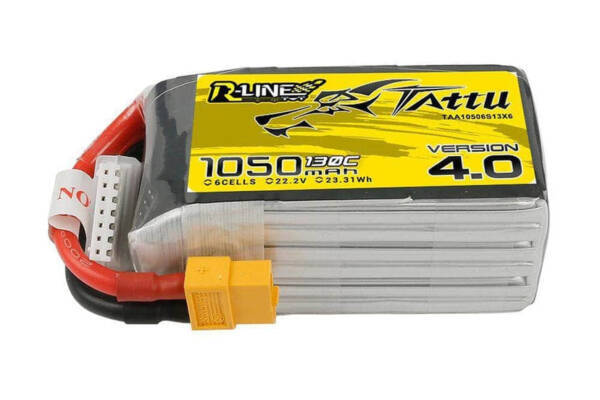
RaceDayQuads (1050 mAh)
NewBeeDrone (1050 mAh)
Five33 (1050 mAh)
Five33 (1400 mAh)
NewBeeDrone (1400 mAh)
GetFPV (1550 mAh)
Tattu R-Line V6 6S 160C
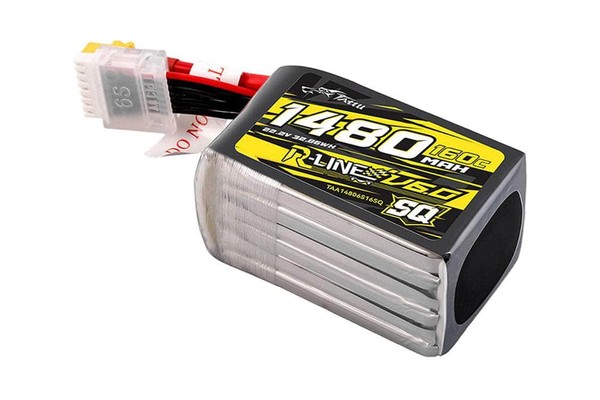
The R-Line V6 is Tattu’s newest 6S racing pack. It’s two generations newer than the V4 next to it. And it’s rated at 160C instead of 130C. What that actually means is Tattu added 10C per generation, mostly for marketing reasons. Does the 160C perform better? Sure. But the numbers are BS and I’m tired of pretending they’re not.
Every top-10 pilot at the 2026 MultiGP Championship who named a battery in their gear list flies a V6, in sizes from 1480 to 1700 mAh. (Tattu sponsors several of them, so take that for what it’s worth.) Tattu says a new semi-solid electrolyte gives it 20% lower internal resistance and more energy for its weight. Some have reported that on the bench it keeps up with the best racing packs you can buy.
It comes in 1480 and 1600 mAh. Each size comes in two shapes: SQ is short and wide, ST is a normal stick. Check which one fits your frame. Be sure to buy the shape you intend!
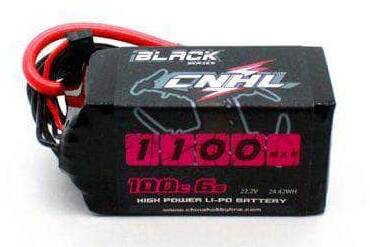
If you race, this is the pack we’d look at first. At the time we write this, it often costs less than the V4. If you want a lighter 1050 mAh pack, the V4 still has you covered. And if price matters most, look at the CNHL Black.
Tattu’s top-end batteries are some of the best performing you can buy, but they’re also known to be finicky and fragile. Think of them as thoroughbred racehorses, not stout and sturdy work-horses.
RaceDayQuads (1480 mAh SQ)
GetFPV (1480 mAh SQ)
NewBeeDrone (1480 mAh ST)
Amazon (1480 mAh SQ)
RaceDayQuads (1600 mAh SQ)
GetFPV (1600 mAh SQ)
NewBeeDrone (1600 mAh ST)
Amazon (1600 mAh SQ)
Gemfan 5129.2 MinJae / 5129 Yuki
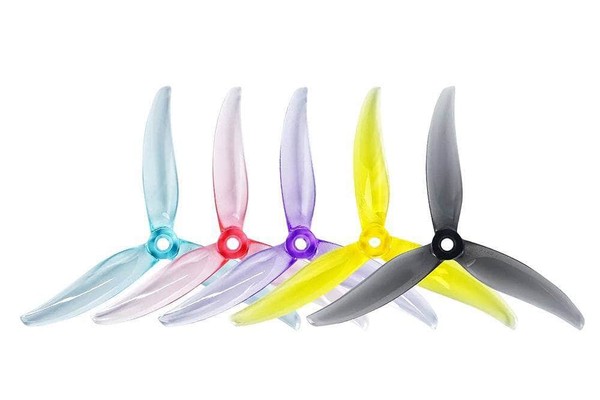
The 5129 is Gemfan’s race prop, in two signature versions: the 5129.2 MinJae and the 5129 Yuki. Minjae Kim and Yuki Hashimoto finished 3rd and 4th at the 2026 MultiGP Championship. Killian Rousseau, who came 2nd, flies the MinJae too.
Unlike the Hurricane line, the name means what it says. It’s a 5.1-inch prop with 2.9 inches of pitch. That’s a lot less pitch than the HQ R38 or any Hurricane on this page. Gemfan built it for the high-kv 2207 motors racers run.
The two versions are nearly identical. The MinJae is half a millimeter bigger and a little lighter (4.12 vs. 4.5 grams per prop). Gemfan says the lighter blade makes it steer more sharply. Pick whichever pilot you like, or whichever color is in stock.
If you want HeadsUpFPV’s own prop on your Five33 build, get the HQ R38. And if you fly freestyle too, the Hurricane line has a prop for almost anybody.
RaceDayQuads -
MinJae
GetFPV -
MinJae
Five33 -
MinJae / Yuki
NewBeeDrone -
Yuki
Amazon -
Yuki

Gemfan Hurricane
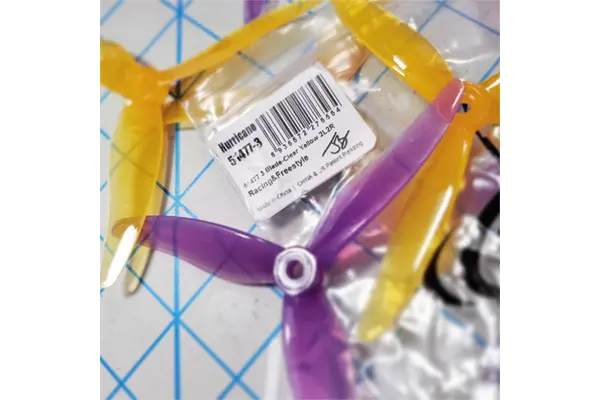
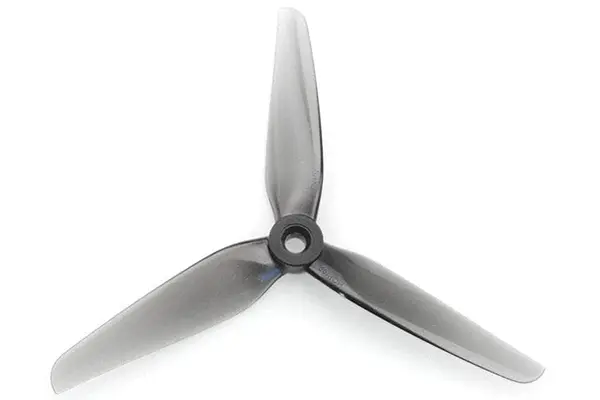
The Gemfan Hurricane line has a prop for almost anybody. It’s a great all-round combination of thrust, efficiency, responsiveness, and durability. I like the 51477 version so much, I even have a JB-branded one in my signature purple and yellow colors!
Choose the 4937 if you want a little more responsiveness at the cost of flight time and max power. The 51XX are the middle ground. 51433 is a great, smooth freestyle prop. 51466 and 51477 give a little more thrust at the cost of smoothness (also good for higher altitudes where air is thinner). The 51499 goes significantly further in this direction, and may be more appropriate for racing than freestyle — but that’s up to you! Finally, the 5236 is even larger in diameter, for increased flight time at the expense of responsiveness.
One annoying thing about the Hurricane line: the last two numbers do NOT indicate the prop pitch. The 51499 is NOT 4.9″ pitch. It’s 4.2″. This is especially frustrating because many stores list the pitch as the designated number (e.g. 4.7″ for the 51477). I have no idea why Gemfan decided to buck the normal naming convention this way. When you’re comparing Hurricane props to other props, be sure you know the ACTUAL pitch of the Hurricane prop, not the number in the name.
51433 pitch is 3.5″
51466 pitch is 3.6″
51477 pitch is 3.7″
51499 pitch is 4.2″