
Basically, all of the links on this page are affiliate links. I receive a commission (at no extra cost to you) if you make a purchase after clicking one of the affiliate links below. Read our Affiliate Link Policy for more information.
 BetaFPVAir65 II
 EmaxTinyhawk Aero
 BetaFPVMeteor75 Pro II
 BetaFPVMeteor75 Pro II O4
 BetaFPVMeteor65 Pro II O4
 CaddxCurve Micro 16
 CaddxCurve Micro P18
 BetaFPVMeteor75 Pro P1
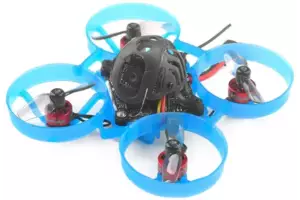 HappyModel Mobula6 65mm
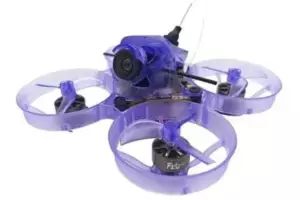 NewBeeDrone AcroBee65 BLV4 65mm
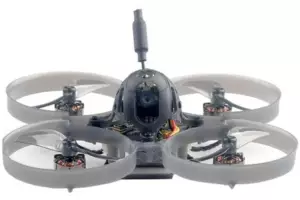 HappyModel Mobula7 75mm / 1S Analog
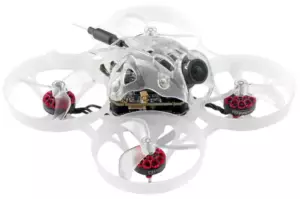 Mobula7 HDZero 75mm
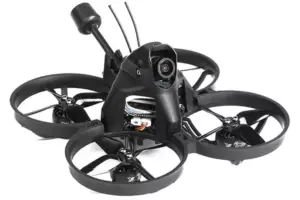 iFlight Alpha A85 85mm / 4S DJI HDHappyModel Mobula6 65mm
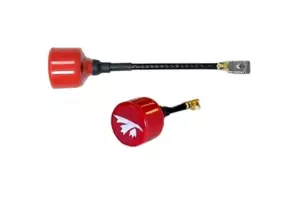 TrueRC Singularity Short / Ultra-Short U.FL Antenna
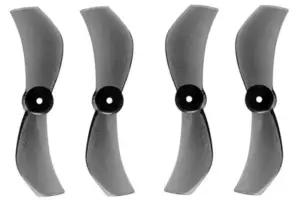 Gemfan 1210-2 31mm Bi-Blade 1mm Shaft
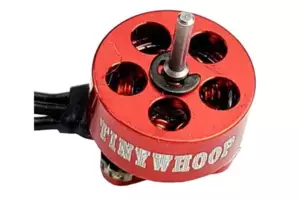 Tiny Whoop Red Rocket Series 0702 30,000KV
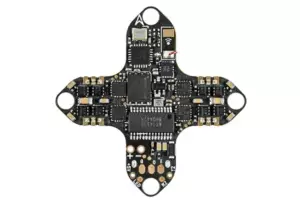 BetaFPV F4 1S 5A Toothpick/Whoop Flight Controller
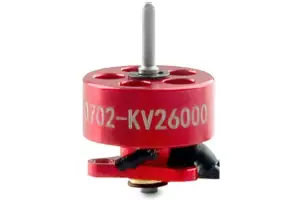 HappyModel SE0702 Brushless Motor / 26000KV
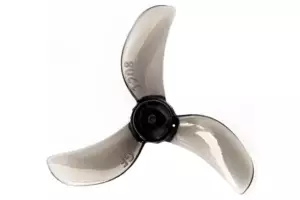 Gemfan 1208-3 31mm Triblade 1mm Shaft
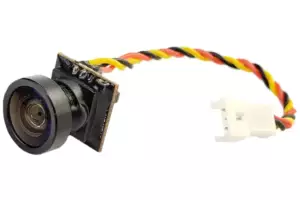 Tiny Whoop Pinch FX965TW Camera
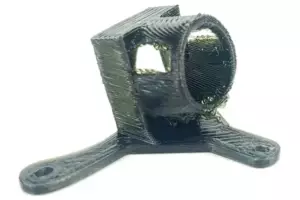 Pound Mount
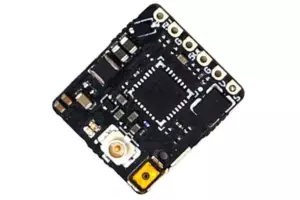 TBS Unify Pro32 Nano 25-500mW, 5.8GHz Analog VTX
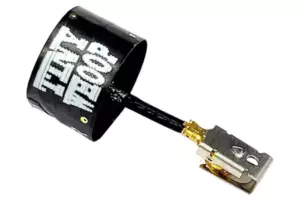 Tiny WhoopSmol AntennaHappyModel Mobula7 75mm / 1S Analog
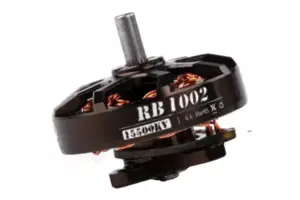 Flywoo Robo 1002 23500KV
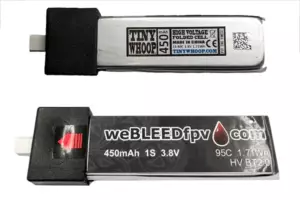 “Square Cell” 1S 450 mAh LiPo with BT 2.0
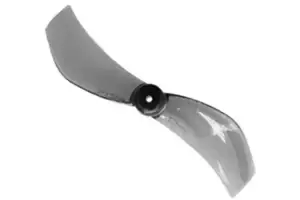 Gemfan1610-2 Props
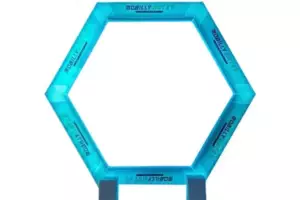 MobillyWhoop Gates
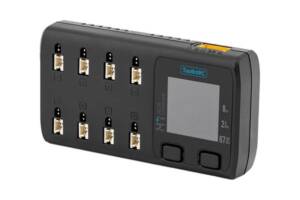 ToolkitRC H1 Octa
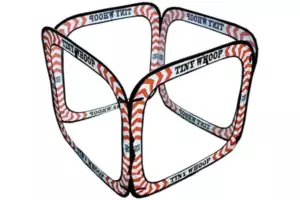 Tiny WhoopWhoop Gates
 Tiny WhoopStorage Discharger
 WeBleedFPV0702, 1MM
 WeBleedFPV0702, 1.5MM
 NewBeeDrone Hummingbird0702, 1MM
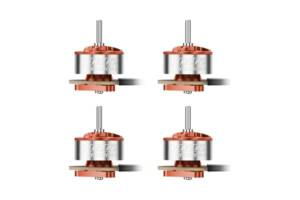 BetaFPV0702, 1MM
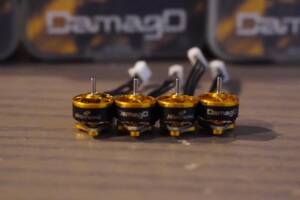 DamagD Nightwing0702, 1MM
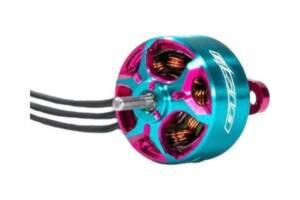 RCinPower GTS V30703, 1MM
 WeBleedFPV0802, 1MM
 WeBleedFPV0802, 1.5MM
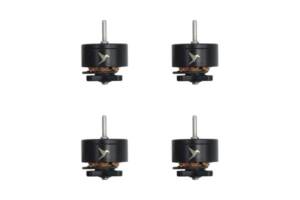 NewBeeDrone Hummingbird0802, 1MM
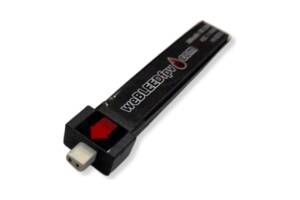 WeBleedFPVSquare Cell 1S BT2.0
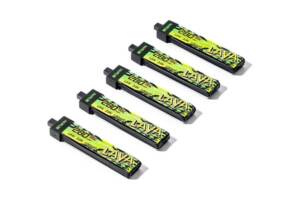 BetaFPVLAVA II 1S
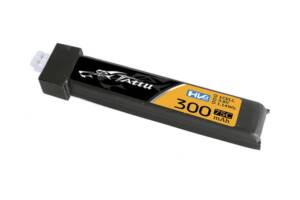 Tattu300mAh 1S 75C BT2.0
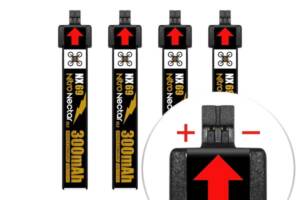 NewBeeDroneNitro Nectar Gold NX69 1S
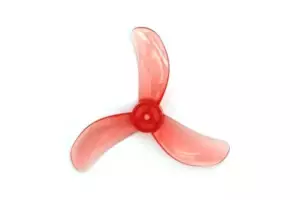 Gemfan1608 Props
A whoop is a quadcopter with a wheelbase of 65mm to 85mm, using a frame with prop guards, and props of about 31mm to 40mm, used mostly for racing or freestyle. Whoops have generally been too small to carry a HD camera, so they’re not typically used for cinematic flying. When you get to larger sizes, they lose agility and are mostly used for cinematic flying — then they’re called Cinewhoops. And if you take the prop guards off to really focus on speed and agility, we’d call them a Toothpick. Some people are probably going to argue with these definitions, but that’s what we’re using for this page.
Their tiny size is what makes Whoops so appealing. You can fly them nearly anywhere, and they’re so light and small that they don’t break anything (including themselves) when they crash. Many beginners learn on a Whoop for this reason. If that’s you, don’t start right off trying to fly inside your house! Flying indoors is way more difficult than it seems! Whoops are also less expensive than bigger drones.
Video transmitters on whoops are almost always integrated into the design. It’s not like a bigger drone where you’ll buy a frame and put any vTX you want into it. The whoops in this section all have analog video transmitters. Although digital vTX have gotten lighter, analog still wins on the scale. And a lighter whoop is more agile and flies longer. When your whole drone weighs 20 grams, saving even a gram or two makes a big difference!
65mm wheelbase is the classic size for a whoop. This size is ideal for indoor flying and tight race tracks like RaceGOW. 75mm gives a little more power and speed, which are especially appreciated if you take your whoop outdoors. Because analog vTX and camera can be made so light, the choice between 65mm and 75mm is purely one of preference. Either can fly really well.
BetaFPV
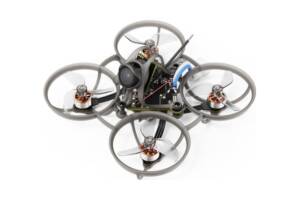
Air65 II
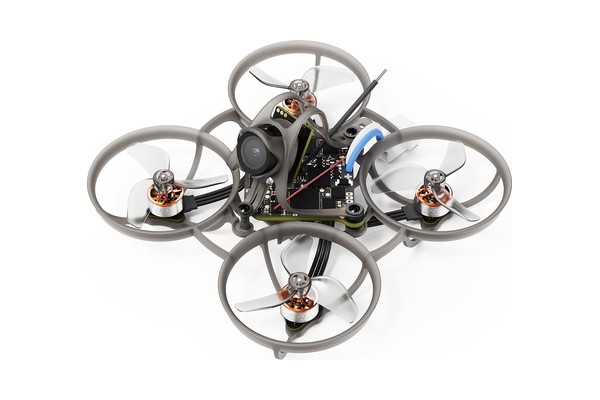
The Air65 II is BetaFPV’s update to the Air65, which was already one of the lightest and best-flying analog whoops you could buy. It comes in three versions: Freestyle (25,000KV), Racing (30,000KV) and Champion (36,000KV, with a lighter frame and ball-bearing motors). All three weigh around 17 grams without a battery. That’s about as light as a 65mm whoop gets before you start giving up durability. All of them have a 400 mW vTX and on-board serial ELRS 2.4 GHz.
Which one? The Freestyle is the easiest to fly, and it’s the best choice for beginners and for flying around the house. The Racing version has more power for racing and flying outdoors. The Champion has even more power — possibly too much for some pilots in some tight environments. Its ball-bearing motors seem like an upgrade, but many pilots report the tiny bearings on this size motors actually wear out faster than bushings. Overall, we’d pass on the Champion unless you NEED the extra motor kv.
This is our first pick for a 65mm analog whoop.
Emax
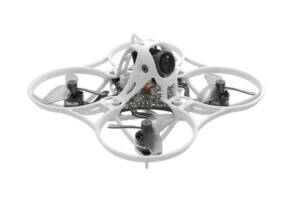
Tinyhawk Aero
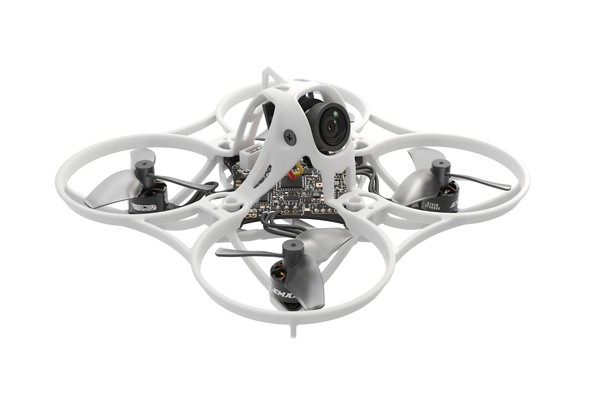
The Tinyhawk Aero is Emax’s new high-performance 65mm whoop. It’s aimed at racing and fast indoor flying. It comes in three motor versions — 27,000KV, 30,000KV and 35,000KV — and each one is available with analog or HDZero video.
It’s light! About 16 grams without a battery, right in Air65 II territory. The canopy is molded into the top of the frame. The motors are soldered straight to the board. And the camera angle is adjustable. That’s all the good stuff.
I hate the battery plug. Emax invented their own EM2.0 connector and it won’t fit the bajillion BT2.0 packs you probably already own. Of course, Emax says just buy their EM2.0 batteries, but that’s dumb. You should swap the battery connector for a BT2.0 pigtail if you buy this. Emax will argue they did this because BetaFPV controls the BT2.0 connector. That’s true. But the GNB A30 connector would have been the superior, open alternative.
The analog vTX goes up to 400 mW, but some have reported this reduces flight time. The same is true for the HDZero vTX: in Emax’s own hover tests, the HDZero versions last about three minutes against about five for analog.
Our first pick for a light 65mm whoop is still the BetaFPV Air65 II. It’s proven, and it runs the batteries most whoop pilots already have. The Aero is light and powerful, and some would say it’s the better drone. If that’s you, get the 35,000 kv version and then use a throttle scale or motor output limit in Betaflight to bring the power down to something reasonable. You can always turn it up again later if you want to.
BetaFPV
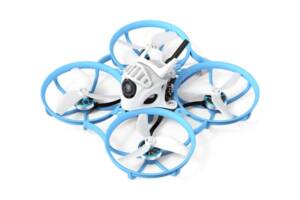
Meteor75 Pro II
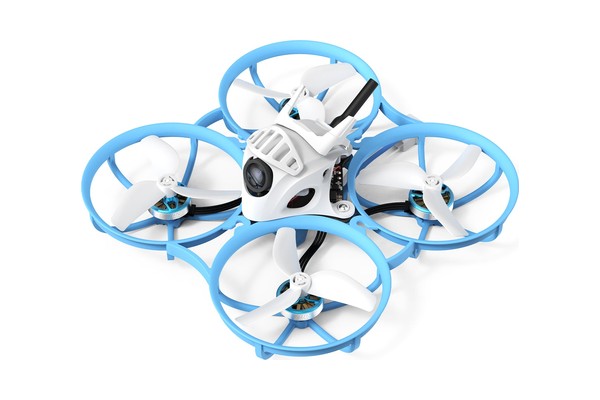
This is the Meteor75 Pro II with analog video. It’s the same frame and 1102 motors as the O4 version, with an analog camera and BetaFPV’s 12A Matrix 5-in-1 II board in place of the DJI air unit. That makes it a lot lighter — about 28 grams without a battery — and it has a LOT of power for a 1S whoop. That power has a cost. Hard punches pull the battery voltage way down, so you need good batteries.
If you fly analog and want a 75mm whoop with real punch for flying outdoors, this is a great choice. For flying indoors, a light 65mm like the Air65 II is the better pick. (Okay Infinity Loops … I see you.)
BetaFPV
A digital whoop gives up some flight performance for a much clearer picture — and often, more range — compared to analog. The tradeoff is that they’re heavier and less durable than analog. Digital vTX draw more from the battery than analog, so they may have shorter flight time, even setting aside the weight. None of this should scare you off. If you’ve got a digital FPV goggle, you can still enjoy this class of drone. But you’ll often find that going one size-class up (75mm vs. 65mm) will give a more enjoyable experience.
Each one works with only one digital system. Be sure to buy the version that matches your goggles! And if you’re unclear on the differences between the different digital HD systems, check out FPV SHOPPING LIST: HD Digital FPV Drones & Parts
BetaFPV
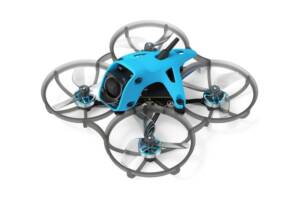
Meteor75 Pro II O4
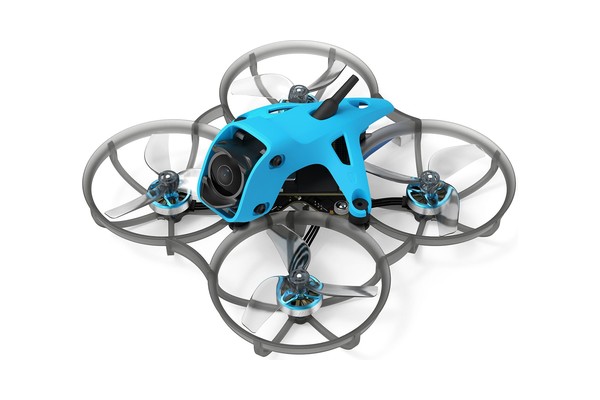
The Meteor75 Pro II is BetaFPV’s 75mm 1S whoop for DJI video, and it’s the first bind-n-fly whoop that comes with the new DJI O4 Wide. The Wide lens is the big deal here. The regular O4’s biggest weakness on small quads is its smaller field of view, and the Wide fixes that.
75mm is fine for the O4 Lite / Wide air unit. But 1S is asking a lot. The Meteor75 Pro is heavy for a 1S whoop — about 42 grams without a battery — but the 1102 motors have plenty of power. It flies more like a tiny freestyle slinger than a micro whoop, so it really shines outdoors.
The whole canopy is soft-mounted, and the footage is clean. But the canopy is held on by four rubber bobbins. It will pop off in a crash, and getting the grommets back in is fiddly. On drones this size, I ask myself … do I really need 100% jello-free footage? What’s my goal here? I might prefer a hard-mounted camera.
If you want DJI video in a whoop, this isn’t a terrible choice. Just be ready to reinstall those damn rubber bobbins. If you’d rather spend less, the Meteor75 Pro P1 gets you HD video for a lot less money, with lower image quality.
BetaFPV
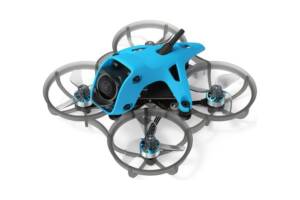
Meteor65 Pro II O4
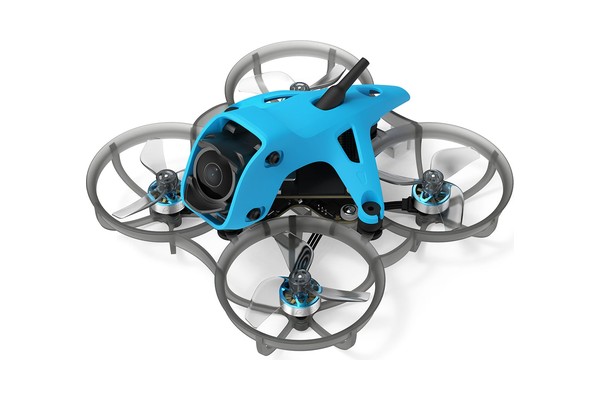
The Meteor65 Pro II is the smaller sibling of the Meteor75 Pro II, also with the DJI O4 Wide. It runs 35mm props, but BetaFPV stretched the frame to a 70mm wheelbase to make room for the air unit. It weighs about 36 grams without a battery. That’s about twice what the lightest 65mm whoops run, and you will feel it the whole time you’re flying. 36 grams is a lot for 0802 motors. The battery is going to sag when you push it, even with good quality square-cell packs. Expect around three and a half minutes on a 480 mAh pack.
I hate soft-mounting bobbins like this and the 75mm use. They’re effective at stopping vibration, but they always rip out in a crash, and putting them back in is fiddly. Especially on a 65mm drone where you’re probably not making a cinematic masterpiece, I’d rather have a hard-mounted camera for the durability.
Frankly, we’re just not fans of DJI on 65mm, even the O4 Lite / Wide air unit. And if you ARE going to do that, you need to work harder to cut weight. The vibration isolation and other “enhancements” aren’t worth it. We’re including it on the list because it’s not objectively bad and it will be right for some people. And if we didn’t include it, you’d wonder if it just got overlooked.
BetaFPV -
O4 Wide / PNP
RaceDayQuads
Caddx
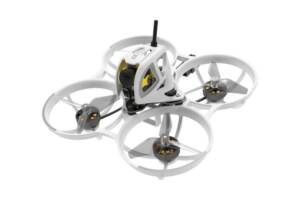
Curve Micro 16
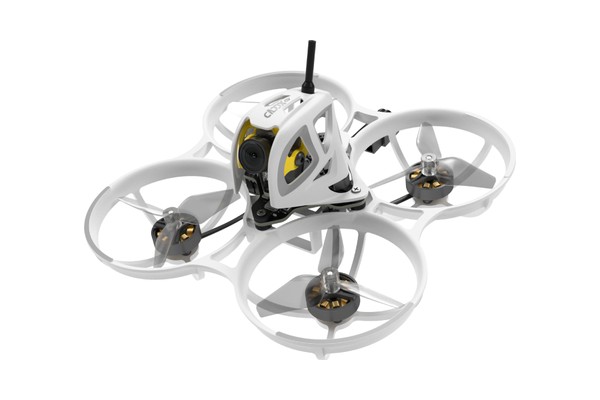
A 75mm BnF whoop with the Ascent Lite+ vTX and camera already installed. If you want to try Ascent without building anything, this is the easy way in. Don’t even take a second glance at the Protos drone that originally introduced the Ascent system. This one beats it in every spec.
It weighs 48 grams and runs on 1S with the A30 plug. It’s bind-and-fly with a built-in ExpressLRS receiver, and it comes with a 6-port charger and a case — but no batteries, so budget for those. Choose the Micro 16 if you want a simple 75mm whoop for indoor flying. If you also want to fly outside, look at the Curve Micro P18.
Caddx
NewBeeDrone
RaceDayQuads
Caddx
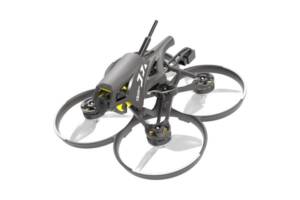
Curve Micro P18
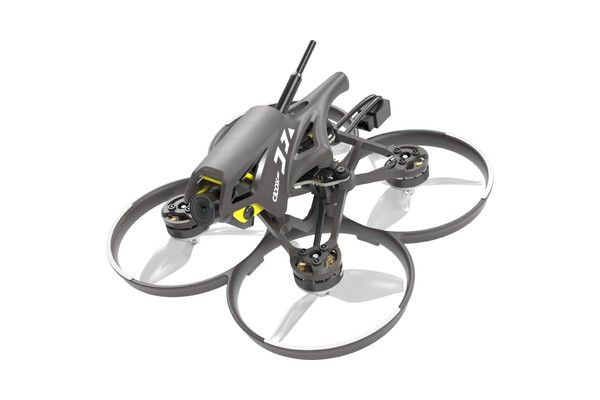
A smaller, lighter Ascent drone: 68mm and about 33 grams, with the Ascent Lite+ vTX installed. Its trick is that it converts between a ducted whoop and an open-prop toothpick, so your drone can get maximum acrobatic maneuverability outdoors, and protected props (and walls and furniture) indoors.
It’s bind-and-fly with ExpressLRS. The vTX is a separate board, so you can replace it on its own if … anything happens. It comes with a charger and a case, but no batteries. Choose the P18 if you want one drone for indoor and outdoor flying. But be aware that the P18 will be more powerful and harder to control in tight indoor environments. Choose the Micro 16 for a more “pure whoop” experience, especially if you intend to fly indoors.
Caddx -
Standard / Black Gold
BetaFPV
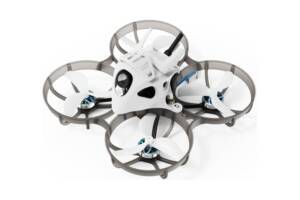
Meteor75 Pro P1
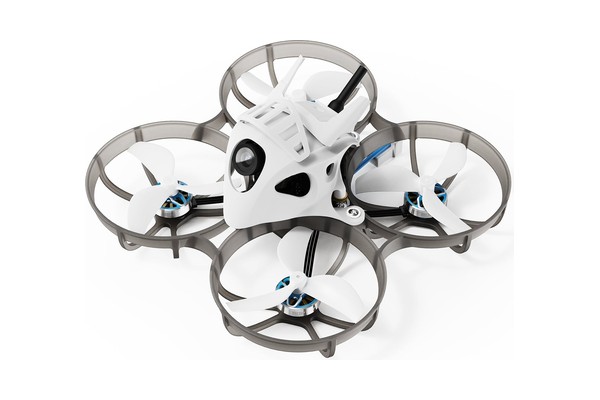
BetaFPV’s Meteor75 Pro whoop with the P1 vTX installed. It’s a 75mm, 1S whoop at 37.5 grams, with a built-in ExpressLRS receiver and digital HD video. You can buy the whoop alone, or a ready-to-fly kit with the VR04 HD goggles, a LiteRadio 4 SE radio, and batteries. We’re NOT fans of the LiteRadio line, so we would steer you away from the kit, although we haven’t had our hands on the LiteRadio 4.
If you already own goggles with an HDMI input, buy the whoop alone plus the P1 HD vRX. If you’re starting from nothing and you’ve settled on P1, the kit is the simple way in. But if you’re choosing between this and the Caddx Curve Micro 16, we’d pick the Curve, because Ascent is the more mature system.
HappyModel
Mobula6 HDZero

HD Zero has managed to make the impossible possible with a 6-gram camera and VTX combo which Happymodel have put into their Mobula 6 HDZero 1S. You will definitely notice the 4 grams of additional weight (this AIO is 2 grams lighter since it doesn’t have a VTX built-in) vs an analog whoop especially when flying indoors but being able to see where you’re going and 720p DVR sure do make this an intriguing BnF. A highly recommended upgrade here to handle that extra weight will be swapping over to the ex0802 25,000kv motors.

When shopping for a Whoop battery, you need to make three decisions: get the right cell size; the right cell type; and the right connector or plug.
Cell type is easy. Only buy “square-cell” type. That’s the only kind you’ll find on this list. Older “pillow-cell” type batteries have much higher voltage sag under load and wear out faster. Square-cell give more power, longer flight times, and longer lifespan. They’re more expensive, but we firmly think the benefits are worth it.
For connector, you have to buy batteries that have the same plug that’s on your drones. But there’s more to it, because the plug you use has a big effect on the battery’s performance. Old-style PH2.0 connectors have high resistance, which means less power gets to your motors. High-performance plugs like BT2.0 and A30 have lower resistance.
The main question with connectors is: can you buy batteries with the connector on them. And that makes BT2.0 the clear winner. It’s by FAR the most popular. You should prefer a drone that has a BT2.0 connector on it, and you should buy batteries with BT2.0 connectors. If your drone doesn’t have a BT2.0 connector, it’s probably worth the trouble to buy a BT2.0 pigtail and solder it on. DON’T USE CONVERTER ADAPTERS. They just add MORE resistance.
The A30 is GNB’s answer to BT2.0. It’s about the same size and weight, and it carries as much current or more. But GNB open-sourced it, so anyone can make it without paying a license fee to BetaFPV. If your drone has an A30 connector on it, you can plug BT2.0 batteries into it. The A30 has a little tab that can be shaved off and voila, it’s a BT2.0 now. Or some people just jam the BT2.0 in, which eventually wears out the A30 connector.
As for size: this matters a lot, because tiny drones are very sensitive to changes in weight. Most 65mm whoops want a pack of around 300 mAh. Most 75mm whoops want 450 to 550 mAh. Look at what the manufacturer recommends and start there. Also, since most whoops have plastic battery holders molded into their frame, only a battery of the intended dimensions will fit.
WeBleedFPV
Square Cell 1S BT2.0
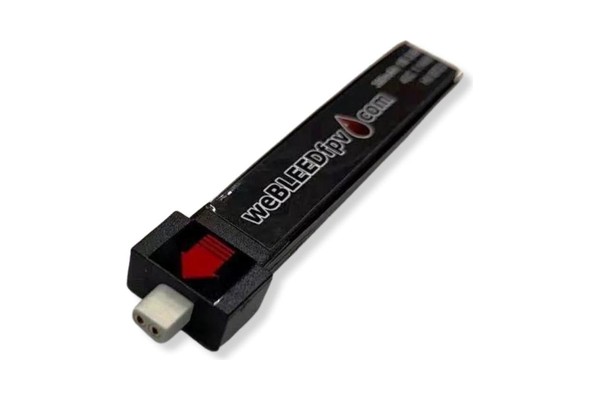
This is WeBleed’s entry in the “square-cell” category. Many square-cell batteries seem to come from the same factory, so they perform the same, and it’s mostly a matter of picking whose sticker you want on the outside. These perform as well or better than any other square-cell available. Available in 300 and 450 mAh.
BetaFPV
LAVA II 1S
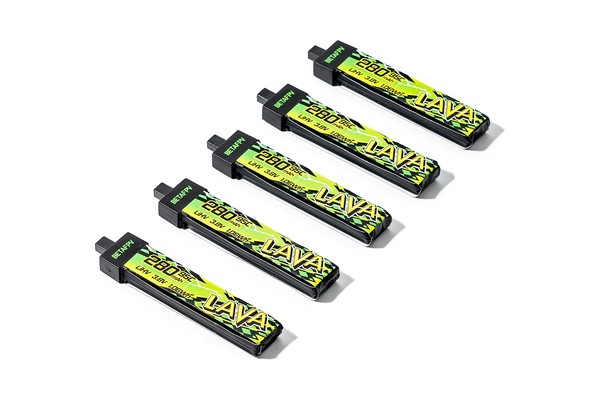
The LAVA II is BetaFPV’s square-cell whoop battery. BetaFPV calls it Z-folding. It comes in five sizes, from 280 to 680 mAh, all with a BT2.0 plug. Per pack, it costs less than the WeBleedFPV at every size, and about half as much as the WeBleedFPV 450. It’s also the only BT2.0 pack here bigger than 450 mAh, for heavier 75mm whoops.
We’re not aware of any empirical testing to verify this, but some have reported that the Lava II batteries don’t perform as well as other, more expensive options. We still think they’re worth including here.
Get the 280 or 320 for 65mm whoops and the 480 or 580 for 75mm. The 680 is for the heaviest 75mm whoops. If you want the best performance, get the WeBleedFPV. If you want to save money, or you need a bigger pack, get these.
BetaFPV
Tattu
300mAh 1S 75C BT2.0
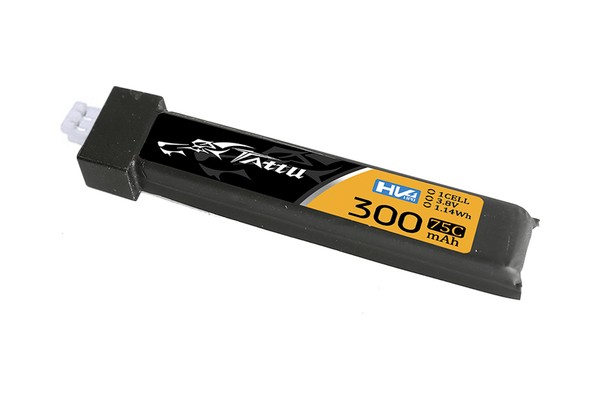
Tattu’s 300 mAh pack is a popular battery for 65mm whoops. It comes with either a BT2.0 or a PH2.0 plug. We’re listing it because people ask about it. But we don’t recommend it over the WeBleedFPV 300, for a couple of reasons.
First, the BT2.0 version is hard to find. At the time we write this, only the PH2.0 version is in stock. Don’t buy PH2.0 batteries.
Second, it costs more. Five Tattu packs cost about what six WeBleedFPV packs do.
Some have reported that it holds its voltage under load as well as the best whoop packs. So if you find the BT2.0 version in stock, or you already own a drawer full of them, it’s a fine battery. Otherwise, get the WeBleedFPV.
RaceDayQuads
NewBeeDrone
Nitro Nectar Gold NX69 1S
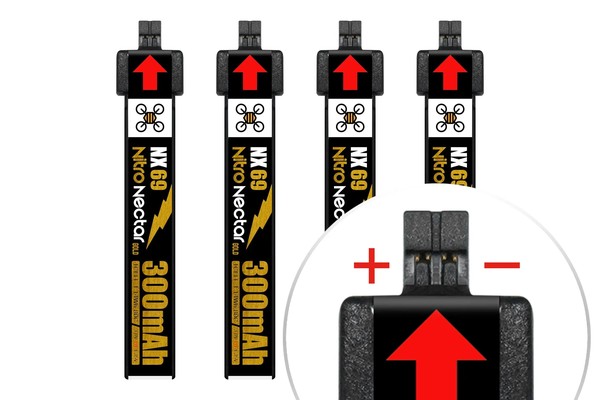
These are NewBeeDrone’s Nitro Nectar Gold packs, with NewBeeDrone’s own NX69 plug. They come in 300 and 550 mAh. We’re listing them because people ask about them. But we don’t recommend them because of their proprietary plug.
The plug, NX69, is NewBeeDrone’s own design. As far as we know, nobody else sells batteries with it. So every pack you buy for that whoop has to come from NewBeeDrone. And you’d need an NX69 plug on your drone as well. We don’t like being locked into one vendor like that.
Also, the gain is small. NewBeeDrone says NX69 delivers about 5% more peak current than BT2.0. To get it, you solder the NX69 pigtail from the box onto your whoop. NewBeeDrone also says the packs plug into PH2.0 whoops — but that defeats the whole purpose of the upgraded connector.
If we bought a drone with an NX69 connector, the first thing we’d do is solder on a BT2.0 plug and never look back.
BetaFPV BT2.0 Battery Charger & Voltage Tester V2

This is a handy little charger if you’ve got batteries with BT2.0 connector. It doubles as a checker and a charger, and plugs into any USB-C cable for power. The main limitation is that it only charges up to 2 packs at a time. If you really love this charger and you’re using packs with PH2.0 connector, you could always buy some adapter cables. This charger only charges to 4.35v for HV packs. Almost all whoop packs are HV, but if you need standard lipo (4.20v) charging, this one’s not for you.
WeBleedFPV
GetFPV
Amazon
BetaFPV
WhoopStor V3

This is, hands down, my personal favorite whoop battery charger today. It charges up to six packs at once. It can be powered off of USB-C, barrel plug, or XT60, so you can use your big flight packs (up to 6S voltage) to charge your whoop packs if you’re away from power. It has both PH2.0 and BT2.0 plugs. It charges both standard lipo and HV lipos, but all ports must use the same type–no mixing. And it charges at up to 1.3 amps per channel, so you can hit 2C or even 3C on your batteries if you need to get up in the air quickly.
But the single feature that puts this charger over the top for me is that it has storage mode! Lipos hate being left at full charge or empty for long periods of time. Most lipo chargers have a storage mode, which puts the packs at a safe 3.8v / cell so they can be stored for a long time without damage. But whoop chargers don’t have this. So your whoop packs get left fully charged (or empty) and before you know it, they’re worn out. With the Whoopstor, you can put your whoop packs to storage voltage, the same as you do with your larger packs, and extend their life.

GetFPV
RaceDayQuads
NewBeeDrone
Rotor Riot
ToolkitRC H1 Octa
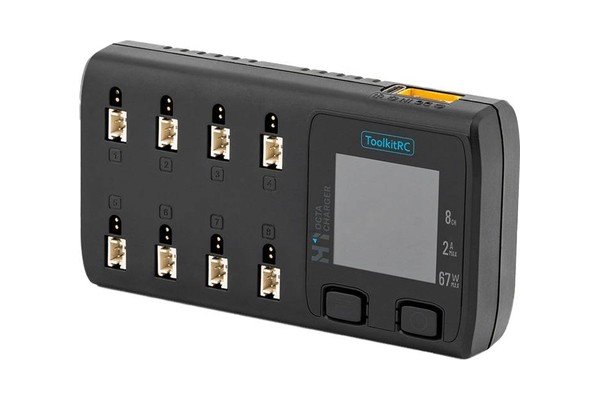
The ToolkitRC H1 Octa is an eight-channel charger for 1S whoop packs. That’s two more packs per cycle than the WhoopStor V3 — and each channel tops out at 2 amps instead of 1.3! That adds up to more packs charged faster.
Like the Whoopstor V3, the H1 Octa has storage mode, so your whoop packs don’t have to sit full between sessions. Power comes from USB-C PD or an XT60 (up to 28v), so a 6S flight pack can run it at the field.
Our first pick is still the Whoopstor, because it’s been around forever and has a solid reputation for reliability. But if you need to cycle packs particularly quickly; if you run larger 1S packs that benefit from the faster charge rate; or if you’re charging packs for more than one pilot at a time, the H1 Octa has solid advantages.
RaceDayQuads
GetFPV
Series Charging Boards

Let’s get one thing straight: These are NOT battery chargers. They’re series charging boards that let you easily charge your whoop packs on your big-battery charger. Plug in your whoop packs to the board. Plug the board into your charger as if it were a regular battery. The charger will auto-detect the number of “cells” (whoop packs) plugged in, and then you can charge, discharge, and storage charge, just like normal. The charger will top off and balance the “cells”, and at the end of the cycle, you’ll be left with all the packs at whatever voltage you desire.
There are some quirks to this method, and many people prefer a simple set-and-forget dedicated whoop battery charger. But these series boards offer functions like discharge and storage charge that most whoop chargers leave out.
The Happymodel board supports only up to four packs at a time, while the Fractal Engineering board supports up to six.
The Fractal Engineering board sold at WeBleedFPV is the only one of these that comes with the BT2.0 plugs installed. The others have empty spots where you can solder your own BT2.0 plugs, but you have to source them and solder them yourself.

RaceDayQuads - HappyModel Board
NewBeeDrone - Fractal Board
WeBleedFPV - Fractal Board
NewBeeDrone
Nectar Injector

This charger charges up to four packs at once. Each bank of two ports can be separately set to HV or normal lipo charging, so you can mix cells if you need to. The charger will trickle charge cells that have been discharged too low, to bring them back to life. It’s powered from any 5v/2A USB source, via micro-USB plug. The charger has PH2.0 connectors, but can be used with BT2.0 batteries if you buy adapter cables.
GetFPV
NewBeeDrone
Amazon
WeBleedFPV
New motors are the easiest way to change how your whoop flies. There are two main things to choose: size and kV. You also need to pay attention to the diameter of the shaft, which has to match the props your whoop is designed to use.
Size is the four-digit number. The first number is the diameter of the stator; the second is the height. Larger-volume motors generally make more torque and are heavier. 0702 is the standard size for 65mm whoops. 0802 is more commonly used on 75mm whoops and heavier 65mm builds. In Chris Rosser’s testing, a 0702 had plenty of motor for 31mm props — going bigger added weight without adding much thrust.
kV is how fast the motor spins per volt. More kV means more punch and more speed — on paper. In reality, there are a lot of variables that might mean a nominally lower-kv motor makes more power than another nominally higher-kv motor. In general, though, higher kv means more power. It also means shorter flights because it hits your battery harder.
For a typical pilot, we think somewhere around 25,000 to 28,000 kV is the sweet spot. But if you’re tempted, you CAN go higher, and then use throttle scaling or motor output scaling to tame the motors. Remember: you can always turn a motor DOWN in software. You can’t turn it UP.
Shaft diameter is 1mm or 1.5mm. It has to match your props. 65mm whoop props are almost always 1mm. Many 75mm props are made for 1.5mm. Some of the motors below come in both, so be sure to buy the one that matches the props your drone is designed for. The engineering margins on these tiny drones can be quite slim. Changing the prop can radically change how a whoop drone flies. That can be a good thing if you do it on purpose. But don’t assume you can just swap in a bigger prop because you accidentally bought a motor with a 1.5mm shaft.
Some of the data in this section comes from Chris Rosser’s motor testing. Everything we used is public, from his AOS-RC website and his videos. If you want direct access to all of his test data, join his Patreon.
WeBleedFPV
0702, 1MM
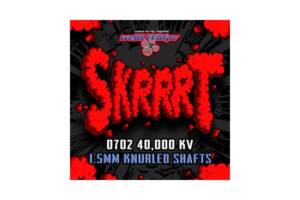
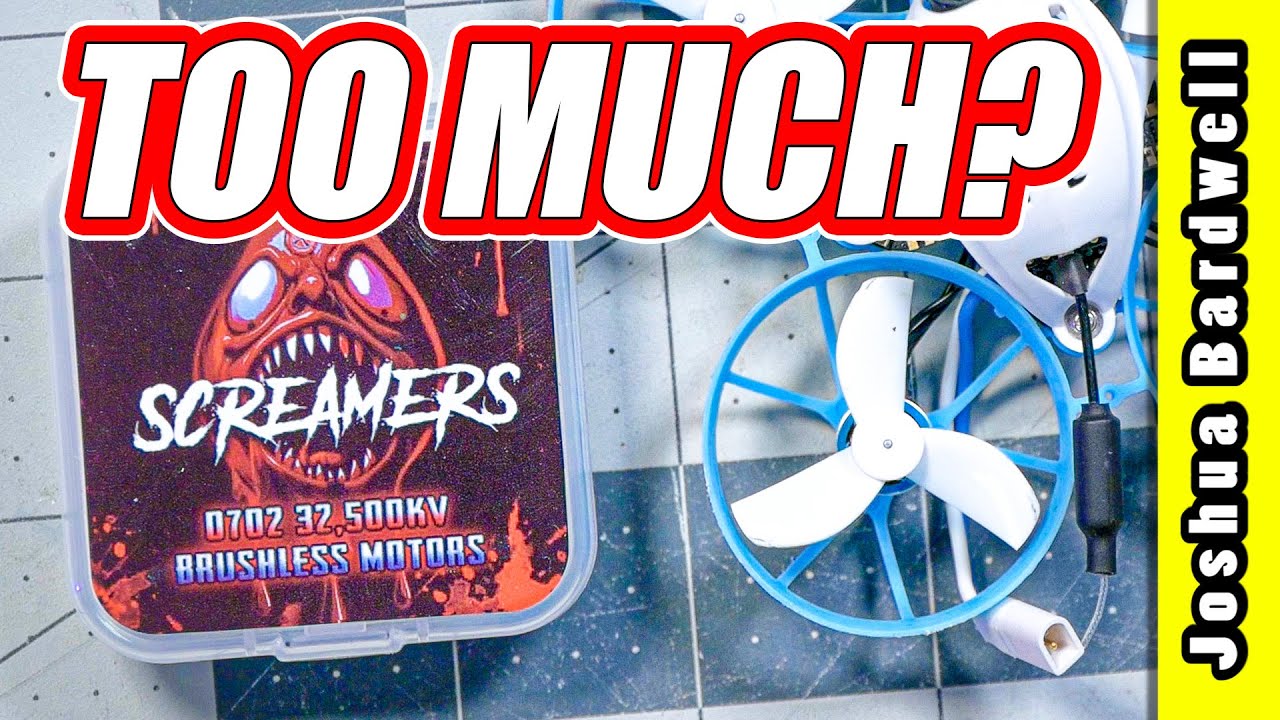
WeBleedFPV’s 0702s come in four kVs: 26,500 (Bleeders), 28,500 (Gore), 32,500 (Screamers) and 40,000 (SKRRRT). They have plugs, so on most whoops they’re a drop-in swap. WeBleedFPV also uses a knurled shaft, to keep the bell from slipping.
I put the Screamers on my Mobula6 HDZero. It felt sharper and a lot less mushy. My lap times only dropped a little, but outdoors and in open spaces it was a huge difference. The cost was flight time. They crush the battery. I also had to turn the PIDs down and set a 75% throttle limit to tame them. I used the Gore on my P1 whoop build.
Chris Rosser bench-tested the Screamers and the SKRRRT. Both were more efficient than you’d expect for their kV. The SKRRRT came third in his weight-adjusted ranking. But he measured it at about 34,000 kV, well under its 40,000 label.
The SKRRRT draws so much current, WeBleedFPV asks you to let the whoop rest 10 minutes between packs to protect the ESC.
WeBleedFPV -
26,500 (Bleeders) / 28,500 (Gore) / 32,500 (Screamers) / 40,000 (SKRRRT)
RaceDayQuads -
26,500 (Bleeders) / 28,500 (Gore) / 32,500 (Screamers) / 40,000 (SKRRRT)
WeBleedFPV
0702, 1.5MM
These are WeBleedFPV’s Screamers (32,500 kV) and SKRRRT (40,000 kV) with a 1.5mm shaft instead of 1mm. Get these only if your props are made for a 1.5mm shaft. That’s common on 75mm whoops.
Read the description of the 1mm version for how they fly.
Both are high-kV motors. If you want something tamer on a 1.5mm shaft, look at the WeBleedFPV 0802 1.5mm motors.
WeBleedFPV -
32,500 (Screamers) / 40,000 (SKRRRT)
NewBeeDrone Hummingbird
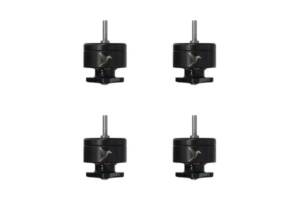
0702, 1MM
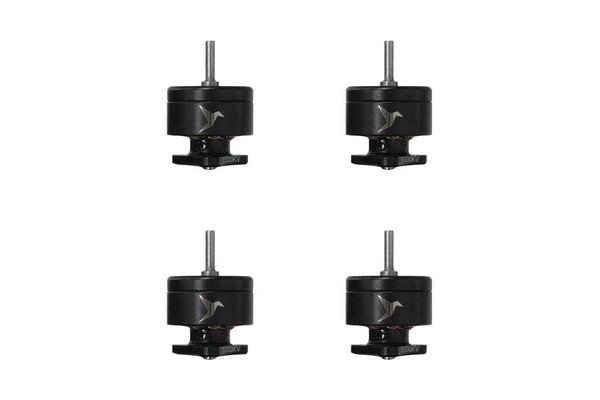
NewBeeDrone’s Hummingbird 0702 comes in one kV, 30,000, in two versions. The Standard has solder pads on the bottom and 25mm wires with a plug. It’s a drop-in replacement for the motors on the Hummingbird V4.
The RaceSpec skips the solder board, the silicone wires and the plug. The winding wire comes straight out of the motor, and you solder it right to the ESC. That gets it down to 1.29 grams! In Chris Rosser’s testing, it was the lightest motor he’d tested. It took first place in his weight-adjusted ranking.
The catch: the RaceSpec is fiddly. Each phase is two enamel wires, and mixing them up can burn out the motor. NewBeeDrone says it’s meant for its own Hummingbird RaceSpec whoop, only recommends it for experienced pilots, and doesn’t take returns on it.
NewBeeDrone uses smaller, JST 1.0mm plugs on their FC and motors. These motors won’t plug into the JST 1.25mm plugs on non-NBD FC. You’ll need to direct-solder.
NewBeeDrone -
30,000 (Standard) / 30,000 (RaceSpec)
RaceDayQuads -
30,000 (Standard)
GetFPV -
30,000 (Standard)
BetaFPV
0702, 1MM
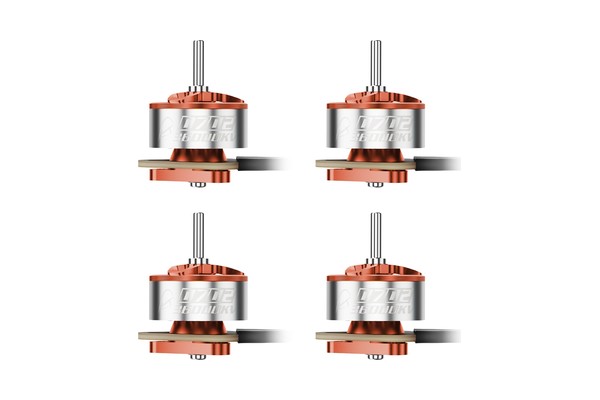
BetaFPV’s 2026 0702 comes in three kVs: 25,000 (Freestyle), 30,000 (Racing) and 36,000 (Champion). These are the motors on BetaFPV’s Air65 II. BetaFPV says a thinner stator lamination makes them more efficient than its older 0702s. The Freestyle and Racing have brass bushings. The Champion has ball bearings. The plugs are JST1.25 — the size most whoop flight controllers use, but not NewBeeDrone’s.
Chris Rosser tested the previous version, the 30,000 kV motor from the Air65 Champion. It came second in his weight-adjusted ranking, and it was his best all-rounder. Nobody we know of has tested the 2026 version yet.
Which one? As with the Air65 II, we’d pass on the Champion unless you NEED the extra kV. Many pilots report that tiny ball bearings on motors this size wear out faster than bushings.
BetaFPV -
25,000 (Freestyle) / 30,000 (Racing) / 36,000 (Champion)
GetFPV -
25,000 (Freestyle) / 30,000 (Racing) / 36,000 (Champion)
DamagD Nightwing
0702, 1MM
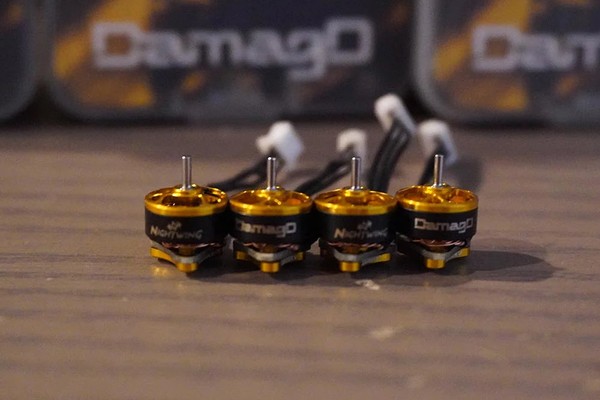
The Nightwing 0702 comes in three kVs: 25,500, 27,500 and 33,000. It was designed by the pilot Nightwing (Peter Rudman) for DamagD, and it’s made by VCI. It’s light — 1.38 grams with wires and a plug. The box includes 12 spare wires, and they solder to pads on the motor, so a torn wire is an easy fix. Frankly, we don’t know a lot about this motor, but the VCI pedigree combined with WeBleedFPV backing it, means you should at least know it exists!
RCinPower GTS V3
0703, 1MM
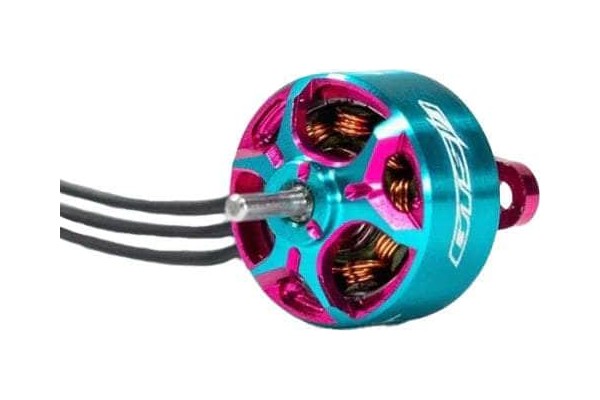
The 0703 is a taller version of RCinPower’s 0702. It comes in 23,000 and 27,000 kV, sold one motor at a time.
It’s heavier, about 1.9 grams with wires. But in Chris Rosser’s testing, the 27,000 kV version made more thrust than any other motor he tested. The 0703s were also some of the quickest to spin up. They make sense for a heavier whoop (like one with a digital vTX) or for bigger props, like 40mm.
WeBleedFPV
0802, 1MM
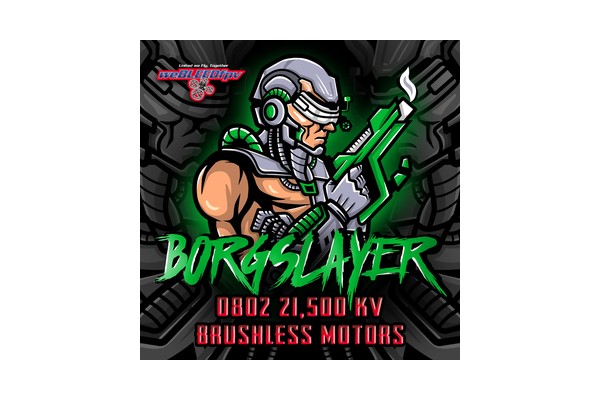
This is WeBleedFPV’s 0802 for props with a 1mm shaft. It comes in one kV: 21,500 (the Borgslayer). That’s a low kV for a whoop motor, and it pays off in efficiency. In Chris Rosser’s bench testing, the Borgslayer landed near the top of the chart. So think of it as a flight-time motor, not a race motor.
WeBleedFPV warns that it isn’t suitable for a frame flown tail-backwards.
WeBleedFPV -
21,500 (Borgslayer)
WeBleedFPV
0802, 1.5MM
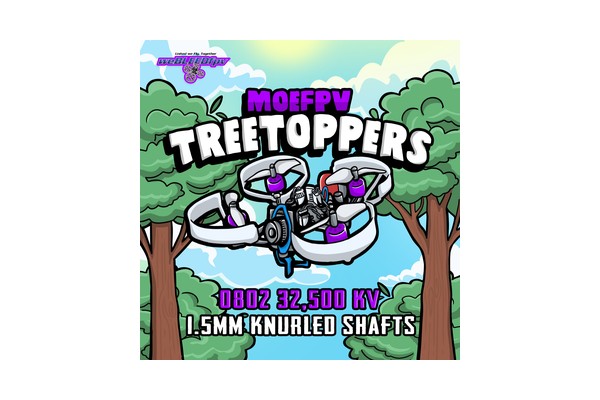
These are WeBleedFPV’s 0802s for props with a 1.5mm shaft. They come in two kVs: 25,000 (Skyscrapers) and 32,500 (Treetoppers). Like WeBleedFPV’s other motors, they have plugs and a knurled shaft. Get these only if your props are made for a 1.5mm shaft. That’s common on 75mm whoops.
The 25,000 kV Skyscrapers are the tamer choice, for longer flights. The 32,500 kV Treetoppers are for racing. Nobody we know of has bench-tested either one yet.
If your props are 1mm, see the Borgslayer 0802.
WeBleedFPV -
25,000 (Skyscrapers) / 32,500 (Treetoppers)
NewBeeDrone Hummingbird
0802, 1MM
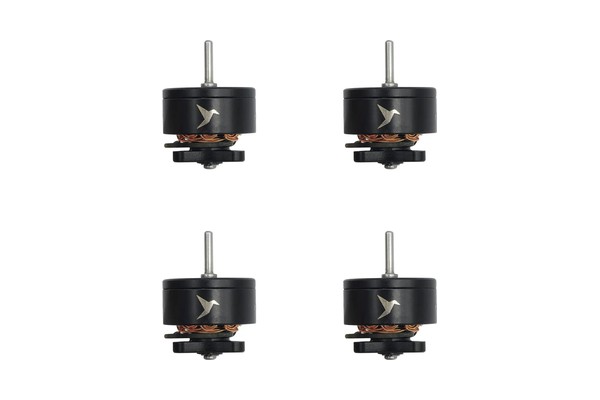
NewBeeDrone’s Hummingbird 0802 comes in one kV, 25,000. It has a 1mm shaft. At the time we write this, it’s the least expensive set of four in this section. In Chris Rosser’s first round of testing, the NewBeeDrone 0802 at 25,000 kV made more thrust than almost anything that wasn’t an RCinPower. Who says higher kv = more power?!
For a 75mm whoop on 1mm props, it’s an inexpensive way to get more torque. If you care more about flight time, the WeBleedFPV Borgslayer is the efficient 0802.
NewBeeDrone uses smaller, JST 1.0mm plugs on their FC and motors. These motors won’t plug into the JST 1.25mm plugs on non-NBD FC. You’ll need to direct-solder.
NewBeeDrone -
25,000
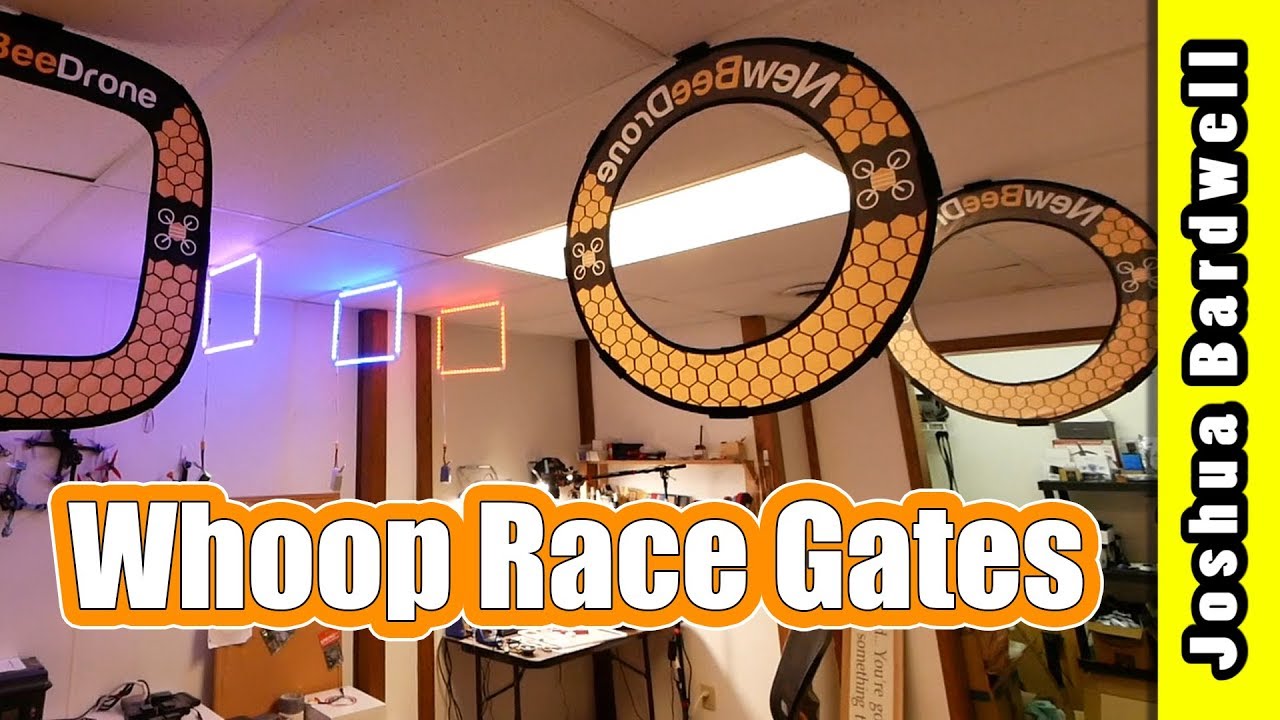
Whoop gates come in a variety of sizes, shapes, and colors to add some spice to your home race track or freestyle spot. Sure you can DIY gates from cardboard or other things around the house, but these are collapsible for easy storage and made from soft materials like ripstop nylon which will prevent damage to your whoop.
NewBeeDrone
Whoop Gates

The NBD gates are the smallest but come in a 5 pack which is a great value if you’re looking to build elements like tunnels which are always a crowd and pilot favorite. They’re also extremely lightweight which makes hanging/mounting them a breeze.
WeBleedFPV
Whoop Gates

These weBLEEDfpv gates are by far the largest, highest quality, and are actually a cloth/mesh material which is extremely durable allowing them to be used with quads bigger than whoops like 3″ Tiny Trainers. The 4 different shapes that are included make it easy to name/identify each section of your race track.